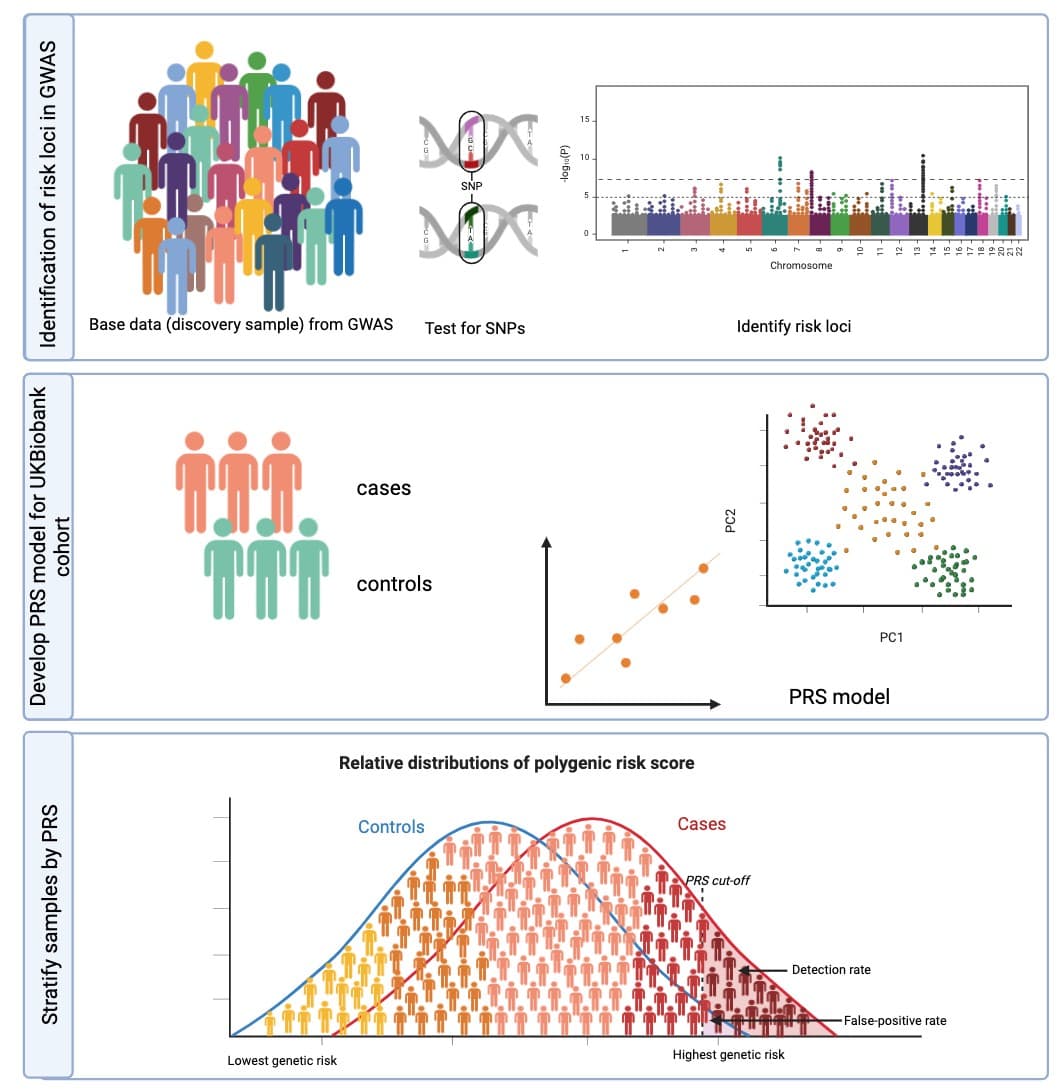
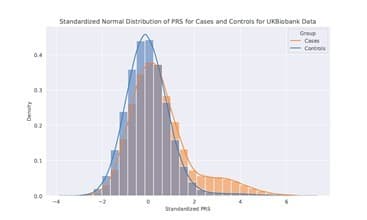
As promising as this all sounds, it’s important to acknowledge several current caveats. Genetics is only one piece of the puzzle when it comes to disease risk. For instance, a high PRS doesn’t guarantee that someone will develop glaucoma, just as a low PRS doesn’t mean they’re completely in the clear. Environmental factors and lifestyle choices such as air pollution, smoking and diet have also been shown to have significant association with the risk of developing glaucoma9-11.
Another key challenge is the interpretation of PRS across different populations. Many of the largest cohorts used for genetic research, including those that form the basis of glaucoma PRS, are heavily weighted towards populations of European ancestry (including major studies in the US, UK and Australia). As genetic ancestry has a large role in which SNPs an individual might have inherited (what’s common in one population might not be common in another), the risk predictions are still evolving to achieve accuracy across people of all genetic ancestries. Expanding research to include trans-ethnic populations is crucial for making PRS a universal healthcare tool.
There is also the matter of how this information is used. The idea of knowing your genetic risk can be empowering, but it can also be daunting. The psychological burden of discovering that you are at high risk for a disease like glaucoma isn’t something to take lightly. For this reason, it is crucial that genetic information is paired with appropriate counselling and support, ensuring that individuals are equipped to make informed decisions about their health.
Conclusion
As we look to the future, the role of genetics and AI in healthcare is only set to grow. The ability to predict health risks through all available information (including clinical and genetic data) marks a new era in medicine. In the near future, later-in-life diseases like glaucoma will be treated through a proactive approach, rather than the current, predominantly reactive, approach. By embracing the insights offered by PRS and other genetic tools we can start to take control of our health in ways that were unimaginable just a few decades ago, mitigating changes in the retina before they ever become a problem to eyesight.