Virulence drives endophthalmitis outcomes
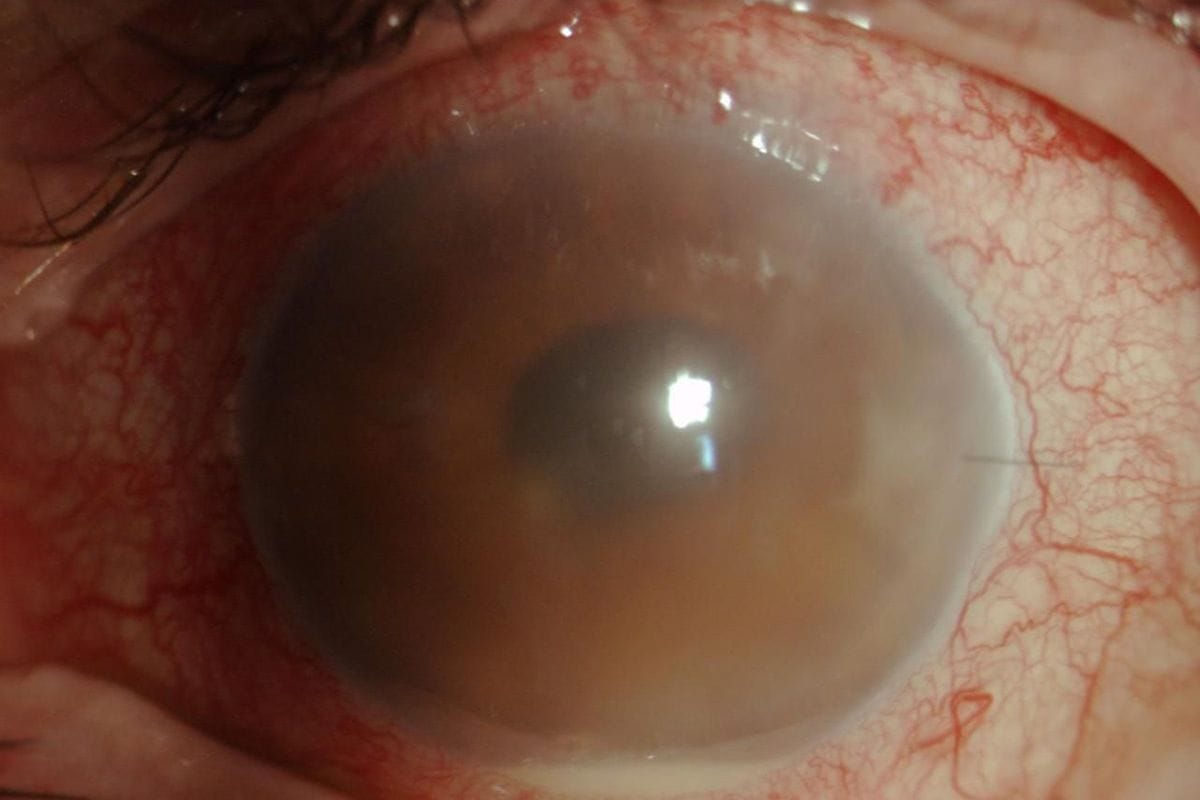
Patients with post-procedure endophthalmitis caused by more virulent organisms had significantly worse visual outcomes, higher rates of repeat intervention and a greater risk of phthisis or eye removal than those infected with less virulent bacteria, according to US researchers. The findings suggest pathogen virulence may be a better predictor of outcomes than presenting visual acuity and could help identify patients at highest risk.
Published in the American Journal of Ophthalmology, the retrospective multicentre study reviewed 240 adults diagnosed with post-procedure acute endophthalmitis over 10 years at four tertiary university-based centres. Of these, 208 had sufficient follow-up data for analysis. Patients’ mean age was 70.8 years and 59.2% were female. Intravitreal injection accounted for most cases (65.7%), followed by cataract surgery (13.8%) and vitrectomy (13.4%).
Culture-positive organisms were grouped as either surface commensals, including coagulase-negative Staphylococcus, or non-surface commensals, including Streptococcus and Enterococcus, as a proxy for virulence.
Among culture-positive cases, infection with non-surface commensal organisms was associated with significantly worse final visual acuity than coagulase-negative Staphylococcus infection (mean logMAR 2.14 vs 0.77). These patients also had higher rates of a third intervention (27.5% vs 10.1%), phthisis (15.4% vs 1.1%) and enucleation or evisceration (12.8% vs 0%).