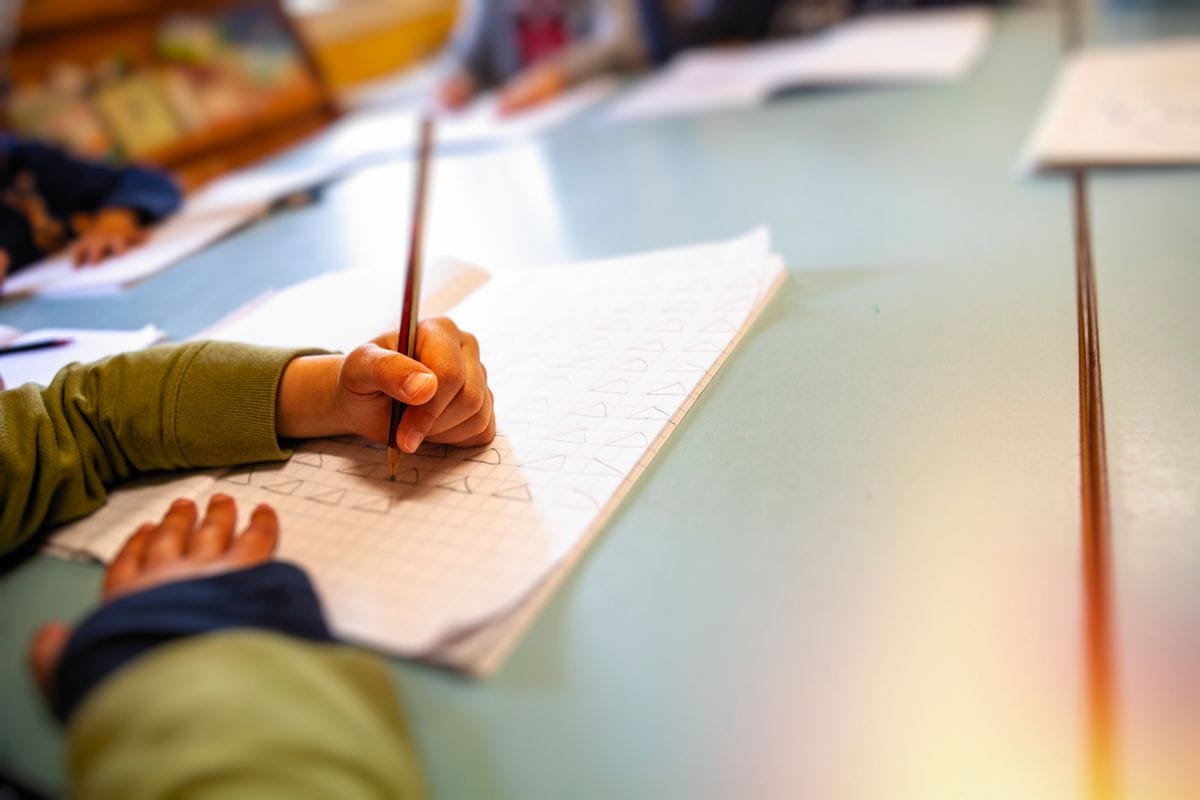
Uncorrected refractive errors account for up to 96% of visual impairment in school-aged children and are associated with amblyopia and strabismus development, and reduced performance in early literacy tests, reading ability and academic achievement. Amblyopia treatment is most effective before seven years of age, thus, it’s important to identify children with amblyopia risk factors at a young age.
Preschool children in New Zealand receive a universal, free, well-child check, the B4 School Check (B4SC), at four-years-old to identify behavioural, developmental and other health concerns which could negatively impact their ability to learn. The B4SC has excellent coverage, with 96.7% of eligible children and 94.5% of children living in high deprivation communities in the Auckland region, completing the check in 2017. As part of the B4SC, children’s visual acuity (VA) is screened using the Parr vision chart, specifically to identify children with amblyopia. Distance VA measurement is more effective for myopia detection than hyperopia and astigmatism. There are currently no contemporary refractive error data for New Zealand children and it’s unknown whether ethnic differences exist, particularly for Māori and Pacific children.
The study