Oestradiol eases post-menopause DED?
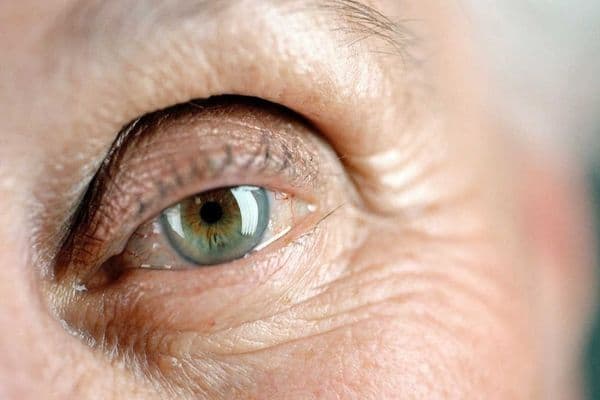
An Austrian phase 2 study showed topical oestradiol reduced signs and symptoms of dry eye disease (DED) in postmenopausal women for at least three months.

An Austrian phase 2 study showed topical oestradiol reduced signs and symptoms of dry eye disease (DED) in postmenopausal women for at least three months.

US researchers improved symptoms in severe dry eye disease (DED) sufferers using a lubricant derived from cultured stem cells from the corneoscleral rim of cadavers.

Our ocular healthcare system is failing to adequately serve Māori, write Isaac Samuels and Julie Pirere.

Digital device use is a recognised risk factor for dry eye disease, owing to reduced blink frequency and amplitude during screen use, with studies repeatedly proving this association in adults1. More recently, and increasingly, the same appears to apply to children’s screen use too. A collaborative

It’s probably not too common to read the word ‘dragon’ in the same sentence as resilience… far less a purple one! But they are inextricably linked and, if you’ll bear with me, I’ll explain how.

If Covid-19 has taught us anything, it’s that we should take nothing for granted and we should seize opportunities - to spend time with family and friends, to have the courage to take on a new challenge, or at least to challenge the status quo.

Lifestyle factors can be triggers for the development of dry eye symptoms, with an increasingly common culprit being screen use: blinking becomes less frequent and the quality of the blink is reduced. Evidence shows incomplete blinking is associated with increased levels of meibomian gland dysfuncti

The Tear Film & Ocular Surface Society’s (TFOS’) mission to advance the research, literacy and educational aspects of the scientific field of the tear film and ocular surface is well known. The non-profit organisation takes pride in pushing boundaries in terms of investing imagination and innova

A recent case illustrates that, despite recent advances in the diagnosis and management of dry eye disease (DED), its identification often remains elusive. To prevent misdiagnosis, clinicians are reminded to watch out for key features.

Dry eye disease (DED) can be described as aqueous-deficient and/or evaporative dry eye1, the latter being more common (78%)2. The lipid layer of tears plays an important role in inhibiting tear film evaporation and in spreading the tears across the ocular surface3. This lipid layer stabilises the te

Demodex blepharitis remains an under-diagnosed condition, lacking universally accepted diagnostic and management protocols. Two species, Demodex folliculorum and Demodex brevis, have been reported to infest humans causing a recurrent chronic form of blepharitis¹,². The former is found in eyelash fol

In 2021, the Ocular Surface Lab (OSL) commenced the ‘Eye for an Eye’ study, with a view to better understanding the natural history of dry eye disease (DED) by observing changes occurring to the ocular surface of optometry students over the course of their degree. Approved by the the University of A