


Quickest way to the heart? Through the eye
Researchers from the Shiley Eye Institute at UC San Diego Health in the US have shown it may be possible to detect heart disease using retinal optical coherence tomography (OCT).
Staff reporters1 min read
Researchers from the Shiley Eye Institute at UC San Diego Health in the US have shown it may be possible to detect heart disease using retinal optical coherence tomography (OCT).

The textbook Cornea, now in its fifth edition, is a large, two-volume hardback set edited by Mark Mannis and Edward Holland. This edition, released in March 2021, runs to 1,976 pages of contemporary views on corneal and conjunctival disease and surgery, provided by 200 experts in the field.
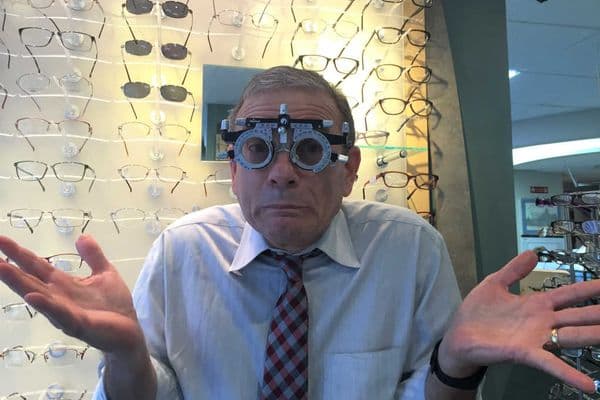
During the 2017 election campaign, NZ First leader, and soon-to-be deputy prime minister, Winston Peters promised to provide free eye health tests for the over 65s. Nearly $13 million, rising to $61.7 million a year from 2021/22, was earmarked as part of the health allocation in the 2020 budget, but

Primary open angle glaucoma (POAG) is the most common form of glaucoma, with at least 80 million people affected globally1. However, the prevalence of POAG varies widely in different parts of the world and between ethnicities1-3, with high rates of POAG in Africa and Latin America, and much lower ra

Acanthamoeba is a free-living protozoan mainly found in water and soil. Like other protozoa, it exists as a motile, feeding trophozoite which when in danger turns into a cyst (Fig 1). The cystic form

Retina Specialists’ first seminar since Dr Leo Sheck joined the team was a fascinating, interactive discussion of retinal pathologies. These real case studies clearly demonstrated how far from black and white diagnosis and treatment decisions can often be.
SLT versus eye drops for first-line treatment of ocular hypertension and glaucoma (LiGHT): a multicentre randomised controlled trial

The theme of the second Ocular Therapeutics Evening (OTE) was anterior segment. Dr Sue Ormonde, the first of four guest speakers, opened by discussing the management of different forms of infective keratitis, emphasising that we should not use topical steroids until we know what we are treating. She
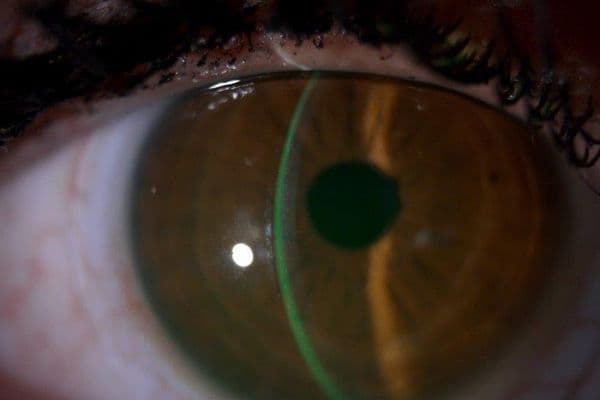
In theory, fitting scleral lenses for my dry eye patients was a logical evolution for both my dry eye and rigid gas permeable (RGP) contact lens practice specialities, but there were a few obstacles to making it a success in practice. Time was a significant issue. Dry eye patients typically have num

Almost as soon as pandemic and lockdown arrived, we were talking about the lasting changes this might bring: the ‘new normal’. I got a bit tired of hearing the phrase, but I was all on board for change. The world we know could be made better in so very many ways.
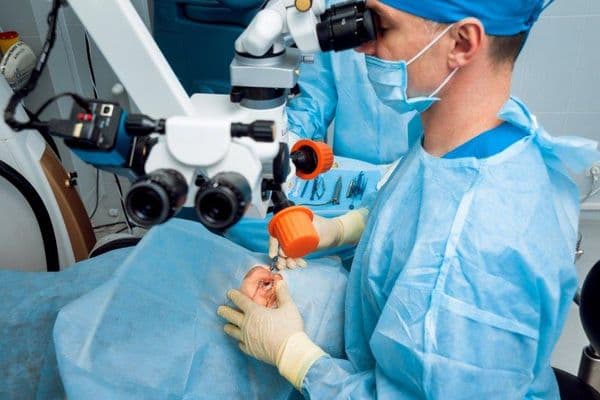
What? Me? Causing dry eyes? But how? In addition to treating dry eye disease (DED), many medical professionals, including eyecare providers, may be causing dry eyes. The primary ways we are increasing

In the early days of my clinical career, most products for managing dry eye disease (DED) focused on increasing eye lubrication using a limited range of ingredients. Although artificial tears remain a mainstay of DED management today, there now exists a plethora of products for eyecare practitioners