Glaucoma eye drop for myopia?
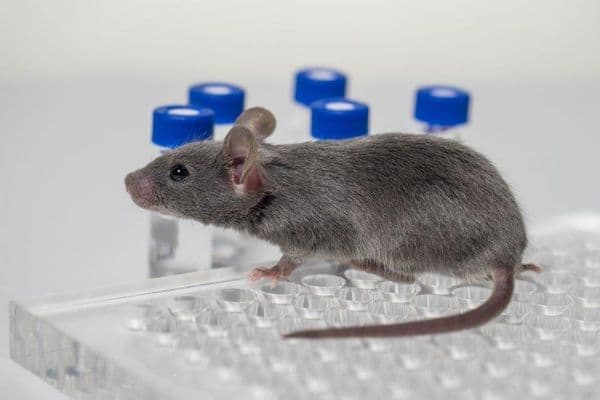
Japanese researchers from the Keio University School of Medicine in Tokyo, reported Bunazosin hydrochloride (BH), a commercial glaucoma eye drop that increases blood circulation in the eye, suppressed

Japanese researchers from the Keio University School of Medicine in Tokyo, reported Bunazosin hydrochloride (BH), a commercial glaucoma eye drop that increases blood circulation in the eye, suppressed

A US company’s eye dropper-bottle adapter, which reduces standard doses by a fifth to 7-10µL, is being used by astronauts on board the International Space Station (ISS). Minnesota-based startup Nano

US researchers have developed a new protocol to triage potential eye-stroke patients, saying it will flag those at risk of brain stroke and help save vision. The protocol, developed by research

Research comparing the eye microbiotas of healthy individuals and those with dry eye disease (DED) has highlighted the potential roles of three bacterial species. Streptococcus and Pedobacter species

Children with amblyopia may have an increased risk of serious disease in adulthood, revealed a new UK study. Amblyopia could lead to hypertension, obesity and metabolic syndrome in adulthood, as well

Results of a phase 2 trial of Innovent’s anti-VEGF drug efdamrofusp alfa (IBI302) have shown it to be ‘non-inferior’ to Eylea (alibercept) in treating patients with neovascular age-related macular deg

US researchers have identified 87 genes susceptible to environmental influences affecting individuals’ risk of developing age-related macular degeneration (AMD). Led by Dr Anand Swaroop, senior

As part of his Hood Fellowship, visiting UK-based Professor James Wolffsohn, head of optometry at Aston University, Birmingham, will be giving a lecture on the latest research and treatments for presbyopia after work on Tuesday 16 April at the University of Auckland.

A new dry eye disease resource for patients is being launched at the University of Auckland on Saturday 13 April...

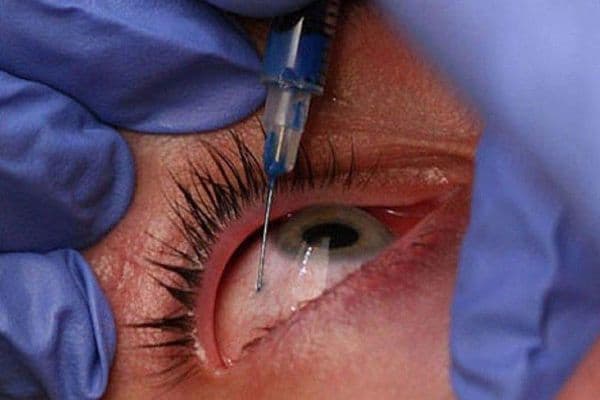
Following the ODOB's targeted consultation in 2023 on extending hospital optometrists’ scope of practice to include intravitreal injections, the NZAO has agreed to progress the scope expansion and required training programme.

Authors of a large multicentre Indian study of 0.01% atropine drops reported a 64% reduction in myopia progression in children in their first year of treatment, with efficacy increasing by 11% more in

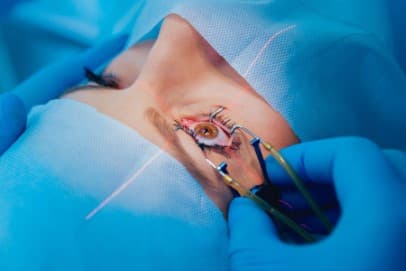
An Australian study has demonstrated ray-trace-based LASIK was safe and effective for correction of myopia with and without astigmatism, with 90% of patients achieving 20/15 ‘HD’ vision.