As part of his Hood Fellowship, visiting UK-based Professor James Wolffsohn, head of optometry at Aston University, Birmingham, will be giving a lecture on the latest research and treatments for presbyopia after work on Tuesday 16 April at the University of Auckland.
The Hood Fellowships programme is a philanthropically funded initiative designed to support visiting professors to foster academic collaboration between Auckland University and international universities.
Prof Wolffsohn is a renowned clinician scientist in dry eye, vice-chair of the Tear Film & Ocular Surface Society (TFOS) third Dry Eye Workshop and academic chair of the British Contact Lens Association, said Professor Jennifer Craig, head of the Ocular Surface Laboratory at the university’s Department of Ophthalmology, who is hosting Prof Wolffsohn’s four-month research visit. His main research areas include the development and evaluation of ophthalmic instrumentation, contact lenses, intraocular lenses and the tear film. He has presented at numerous international conferences and published more than 280 peer-reviewed papers, including last year’s ‘New insights in presbyopia: impact of correction strategies’ in the British Journal of Ophthalmology¹.
“Presbyopia is generally the first sign of ageing we experience as human beings; the frustration that we can no longer focus, particularly on near distances,” said Prof Wolffsohn. “So my lecture will talk about how we can best understand that, how we can measure it.”
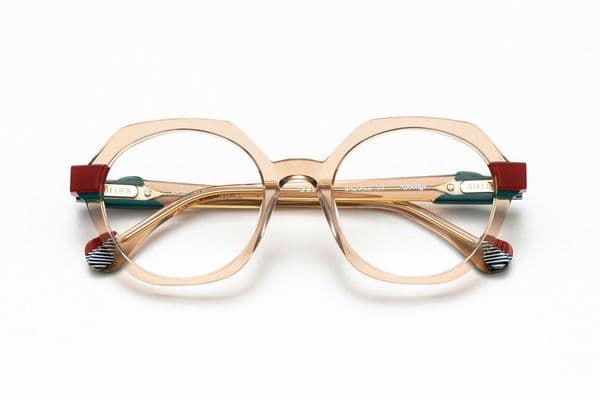
Prof Wolffsohn said he was looking forward to meeting more eyecare professionals in Auckland and learning about their own clinical experiences in presbyopia and dry eye. “With our ageing population, presbyopia is getting more important and patients are demanding more support. But while some eyecare areas have a lot of research to inform what they do, others, such as spectacle design, really don’t. I'll be talking about that and the latest pharmaceuticals for presbyopia – do they work? – and other attempts to restore eye focus. It’s a very exciting area.”