

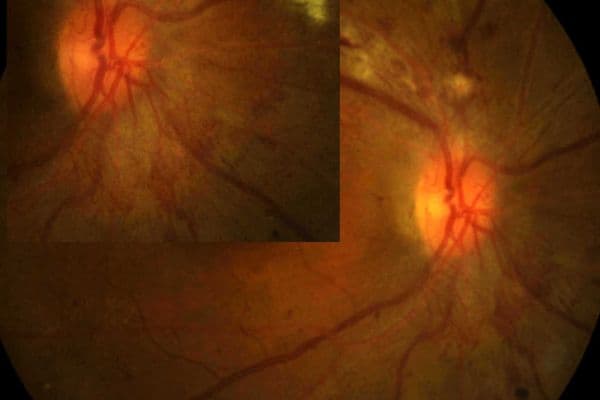
Asymmetric diabetic retinopathy
Diabetic retinopathy (DR) is one of the microvascular complications of diabetes mellitus. In most patients it is symmetrical between the two eyes. In 5-10% of patients, however, DR can be
Dr Arvind Gupta8 min read
Diabetic retinopathy (DR) is one of the microvascular complications of diabetes mellitus. In most patients it is symmetrical between the two eyes. In 5-10% of patients, however, DR can be
Efficacy, durability, and safety of intravitreal faricimab with extended dosing in patients with DMO
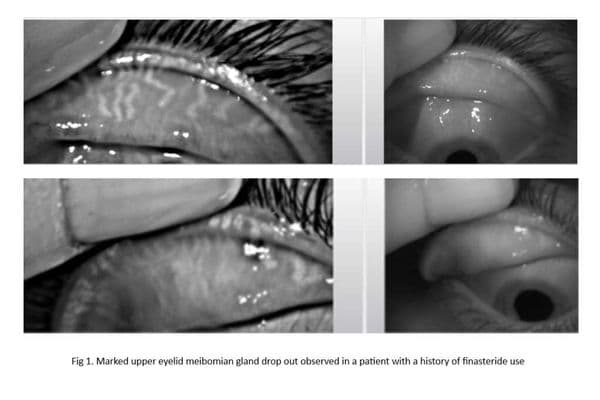
Dry eye disease (DED) occurs more frequently in women than in men and it’s recognised that hormones play an important role in the health and preservation of ocular surface tissues. Studies have demonstrated a direct link between hormones and susceptibility to DED1-4, linked to the presence of sex-st

Computer use is ubiquitous in contemporary society. Up to 69% of computer users report eye strain1,2, sometimes referred to as ‘computer vision syndrome’ (CVS) or ‘digital eye strain’. Although a range of interventions have been investigated for this common condition, currently there are no clinical

Ocular graft-versus-host disease (oGvHD) manifests in 60-80% of patients undergoing allogeneic haematopoietic stem cell transplantation, due to donor T cells incorrectly identifying recipient tissue as foreign, leading to an immunological attack by the donor cells1.

It seems we are finally making it out of the Covid era. For the last couple of years, just as things seemed to pick up slightly, another wave hit. After so much disruption, it feels like now is the time to normalise the situation. Yet, after such a historical global event, returning to ‘normal’ feel

The Save Sight Dry Eye Registry (SSDR) is the first multinational, web-based interdisciplinary registry able to collect high-quality outcome data from dry eye patients in clinical settings. With over 35 clinicians at 30 sites in Australia, New Zealand, Spain, Germany and the UK, the registry has gro

Activation and elevation of inflammatory mediators is associated with the pathogenesis and progression of dry eye disease (DED)¹. The quantification of inflammatory marker levels can provide insight into the disease progression and severity and may help guide individualised treatment. However, a var
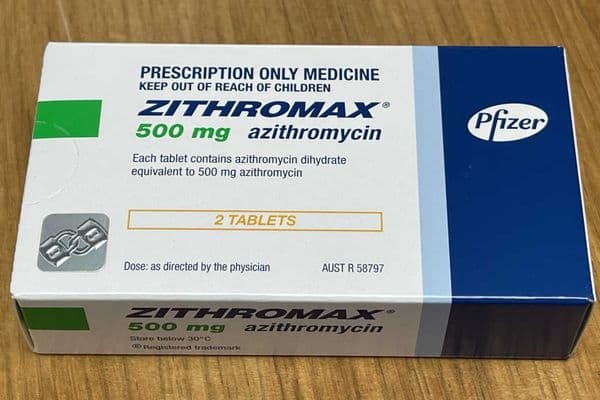
The common use of oral antibiotics in the management of meibomian gland dysfunction (MGD) is an extension of the traditional dermatological approach to rosacea treatment. In this context, historically, oral tetracyclines have been used for their anti-inflammatory properties (anti-matrix metalloprote
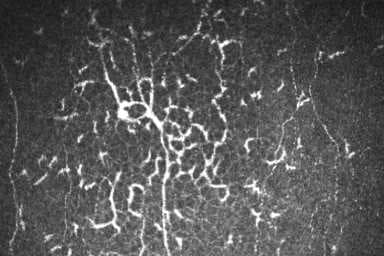
Ocular surface pain is a leading cause of eyecare visits and healthcare costs, having an observable negative impact on quality of life1. As a consequence of both ocular and systemic disorders, and driven by various mechanisms that are often difficult to fully elucidate, ocular surface pain is often

Digital device use is a recognised risk factor for dry eye disease, owing to reduced blink frequency and amplitude during screen use, with studies repeatedly proving this association in adults1. More recently, and increasingly, the same appears to apply to children’s screen use too. A collaborative

It’s probably not too common to read the word ‘dragon’ in the same sentence as resilience… far less a purple one! But they are inextricably linked and, if you’ll bear with me, I’ll explain how.