Two ophthalmologists are part of a team of researchers awarded one of the coveted special Covid-19 Health Research Council (HRC) grants announced in mid-April.
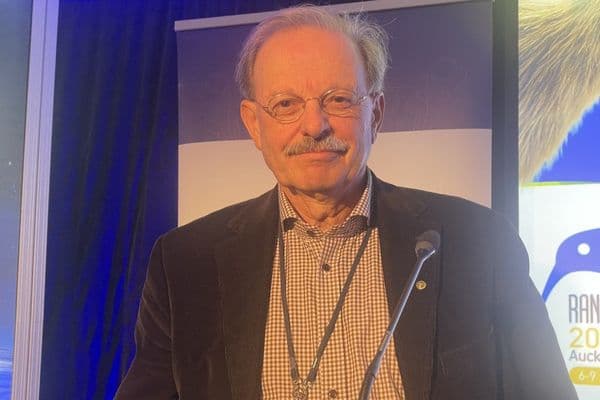
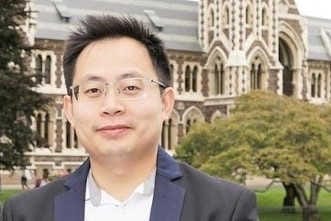
Ophthalmologist registrar Dr Sheng Chiong Hong and Gisborne-based ophthalmologist Dr Graham Wilson are part of a national team of five researchers aiming to develop a new, rapid molecular diagnostic for Covid-19.
“Due to the current complexity of the tests and thus capacity limits, testing is typically limited to those meeting certain threshold criteria. In addition, test results may take up to 48 hours to be returned to parts of New Zealand… Therefore, the danger exists that a disease will spread faster than the testing can help isolate positive cases,” explained the team in their research abstract. “This work aims to develop rapid (15-minute) molecular diagnostics that can be performed anywhere without the need for DNA instrumentation.”
Based in Dunedin, Dr Hong is the founder of social enterprise oDocs Eye Care, which has developed a number of mobile and web-based tools, some involving artificial intelligence technology, for the healthcare world. Without giving too much away, the new molecular diagnostic will remove the RNA extraction steps, which is the bottleneck for the current polymerase chain reaction (PCR) testing used widely to make millions of copies of a specific DNA sample, said Dr Hong. The results can be photographed and, together with basic patient demographics and location, uploaded to a centralised repository via a smartphone app. “It’s designed to be a simple rapid test. If you can do a urine pregnancy test, you can do this,” he said. “This effectively will enhance the sensitivity and accuracy of existing surveillance activities funded by the Ministry of Health.”
The study, Distinguishing Covid-19 from influenza with rapid 15-minute diagnostics, is led by molecular biologist John Mackay, technical director of DNature Diagnostics & Research in Gisborne. Other team members include Dr Erasmus Smit, a virologist at the Institute of Environmental Science and Research (ESR) and Dr Patrick Gladding a cardiology and internal medicine specialist at North Shore Hospital in Auckland.