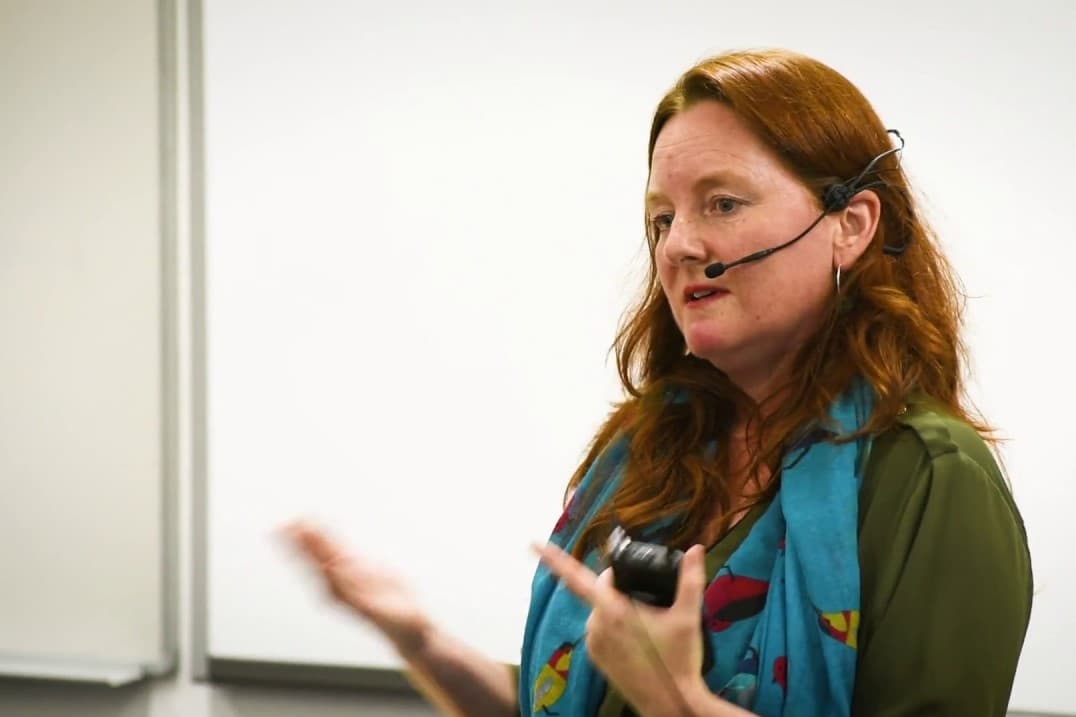
Dr Shanu Subbiah welcomed more than 180 eyecare professionals to Eye Institute’s most recent online seminar focusing on the eye and immunology. Setting the scene with a collegial, relaxed vibe, tuning in felt like being invited into the doctors’ living room, listening to friendly chatter about the current Covid state of affairs while waiting for everyone to join.
First up, Dr Subbiah gave a talk on ocular allergies. Being severely atopic himself, he said he’d become quite an expert in the field! Allergic eye disease is very common and the incidence of seasonal allergic conjunctivitis (SAC) and perennial allergic conjunctivitis (PAC) is increasing, even in older patients in their 50-60s, he said. The cardinal symptom is itch and treatment is almost universally topical. Dr Subbiah’s mainstay SAC and PAC treatment is dual-action agent Patanol (olopatadine) twice a day and one or two drops of Livostin (levocabastine) in the evening, with the second line of defence being topical steroids, oral antihistamines or immunomodulators. Eyecare professionals were told to watch out for rare but potentially sight-threatening vernal keratoconjunctivitis (VKC) with symptoms including more severe pain, itch and ropey mucus discharge; plus atopic keratoconjunctivitis, with similar symptoms to VKC and requiring shared care.
Busting allergy myths
Continuing the theme, guest speaker Dr Karen Lindsay, a rheumatologist, clinical immunologist and allergist with the Auckland District Health Board, gave an overview of allergic disease, diagnosis and treatments and shared some insights from the International Study of Asthma and Allergies in Childhood. The study busted a few allergy myths, she said, such as they only occur in affluent countries, are related to pollution and higher allergen exposure, and can be explained by genetics. The study, which included New Zealand, also revealed Māori and Pasifika suffer 2-4 times more by any measure. Many strong beliefs around allergies have been overturned during recent years, including the perception that families with high risk of allergies should avoid exposing their young children to allergens; the advice now is the contrary, said Dr Lindsay.