Since completing her work as vice-chair of TFOS DEWS II and initiating a plethora of significant research at home and in collaboration with several overseas institutions through the Ocular Surface Laboratory (OSL) at the University of Auckland, Associate Professor Jennifer Craig has picked up several accolades for her work into dry eye disease and the ocular surface.
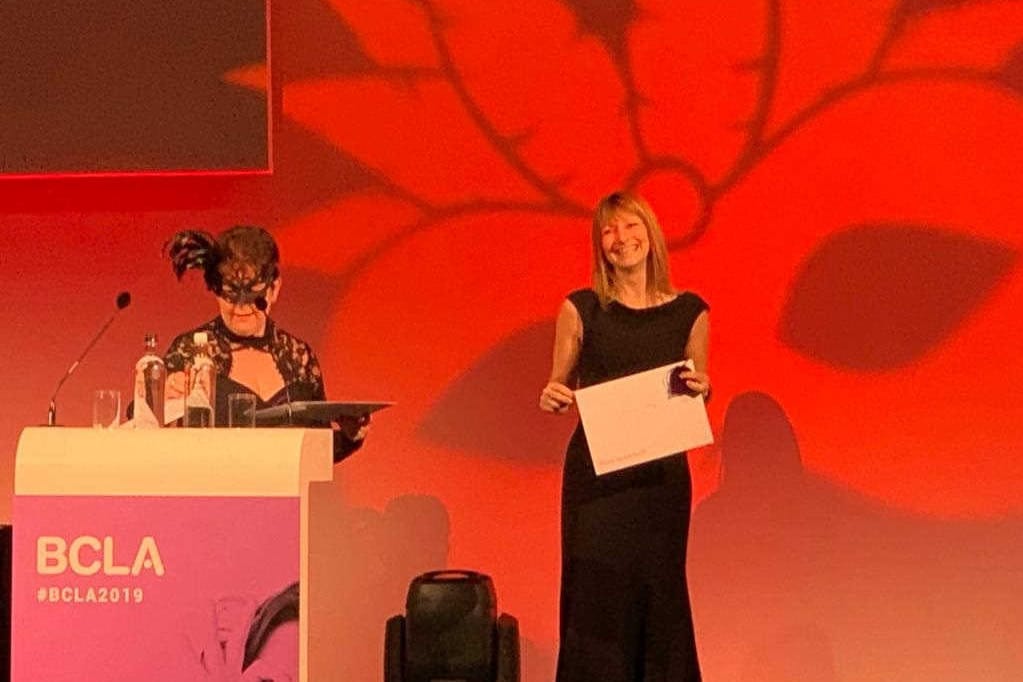
Most recently this includes being granted a fellowship of the British Contact Lens Association (BCLA) in Dry Eye. Already a BCLA Fellow, A/Prof Craig helped design and establish a modular based dry eye course for clinical optometrists and the Objective Structured Clinical Examinations (OSCEs) which form part of the BCLA’s Dry Eye Module Examination. The qualification has provided the springboard for many practitioners to successfully offer dedicated dry eye services within their practices and set up specialist dry eye centres.
She was also awarded a Life Fellowship, the UK College of Optometrists’ highest award, for her contribution to the development of the profession through teaching and education, especially in the area of ocular surface disease. Independently, she was invited to give the the BCLA Pioneers Medal Address at the 2018 Visionaries Conference at the Royal Society of Medicine in London. Her lecture entitled, In the blink of an eye, hypothesised possible key drivers for the development of meibomian gland dysfunction and dry eye based on the findings of studies of the natural history of dry eye, including the Asian eye, a study conducted by OSL researchers.
A/Prof Craig’s international standing has also been reflected in appointments and invitations to serve in an adjunct facility at several universities, including an honorary research position at Aston University in the UK, adjunct associate professor at the University of Waterloo, Canada, and visiting professor at the Wenzhou Medical University in China. She was also made a fellow of the Cornea and Contact Lens Society of Australia and appointed to the Council of the International Society of Contact Lens Researchers (ISCLR) in 2017.