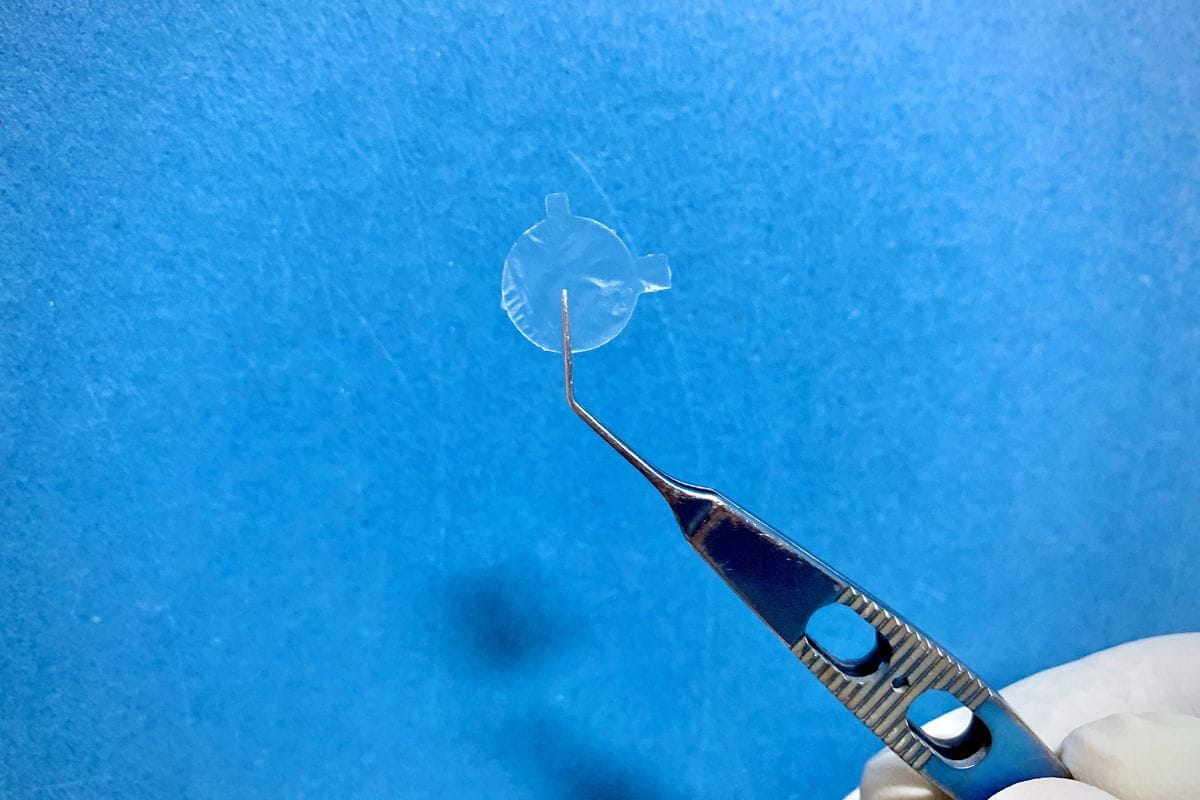
In response to enquiries, New Zealand’s Optometrists and Dispensing Opticians Board (ODOB) has confirmed that using amniotic membranes (AM) for patient care is within an optometrists’ scope of practice, subject to certain restrictions.
“The board’s position is that amniotic membrane transplantation sits within the optometrist scope of practice only when application does not involve breaching the epithelium or any surgical intervention (including suturing), as this would be considered a breach of a restricted task,” it said in a statement.
The board was approached by registrants seeking clarification on the issue, said ODOB chair and Wellington-based optometrist Jayesh Chouhan. “Amniotic membrane is used in a wide range of ophthalmic conditions and I believe there is interest among optometrists to include it in their practice.”
The healing properties of AM, derived from the innermost layer of the foetal placenta, are widely known and it has been prescribed as a highly effective treatment option for non-healing, chronic wounds for nearly a century, according to Dr Preeya Gupta, assistant professor of ophthalmology at the Duke University Eye Centre, North Carolina, US. More recently, AM has been embraced by eyecare professionals for its natural anti-inflammatory and anti-scarring properties. The efficacy and safety of AM for ocular surface disorders has been documented by several clinical studies, including the ‘Dry eye and amniotic membrane’ (Dream) study.
“Amniotic membrane has been shown to provide a substantial benefit in treating certain types of conjunctival and corneal disease,” wrote Dr Gupta in the American Academy of Ophthalmology’s EyeNet Magazine. “While AM has traditionally been transplanted using sutures or glue, the in-office application of sutureless AM is a less invasive alternative with promising clinical outcomes. In-office availability of AM allows clinicians to treat a variety of ocular surface conditions rapidly and effectively.”