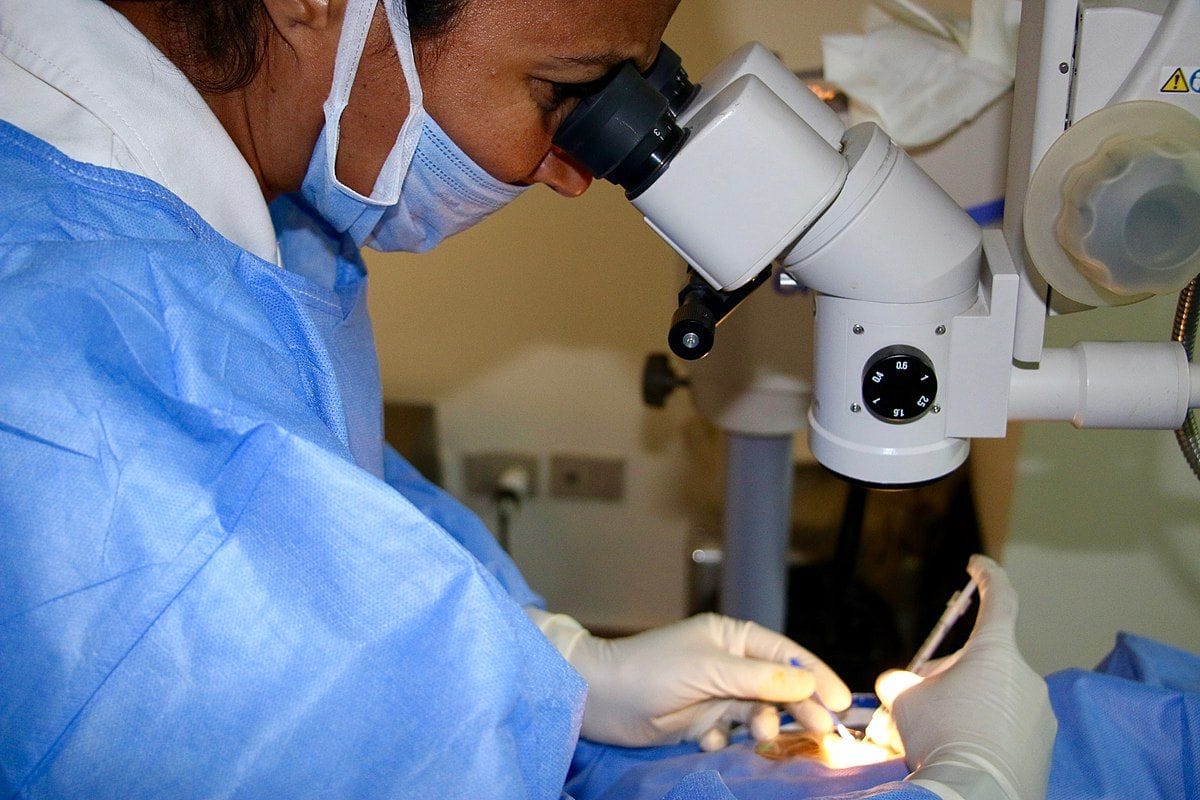
In a first of its kind study, Mount Sinai Hospital researchers used optical coherence tomography angiography (OCTA) to measure potential retina damage from long-term use of intravitreal eye injections. The findings suggest repeated use of these injections could contribute to progressive vision loss after many years, paving the way for new treatment approaches to mitigate the problem.
With intravitreal injections being relatively new, the study was prompted by a wish to understand the long-term effects of anti-VEGF injections in the eye, said senior investigator Professor Richard Rosen from the Department of Ophthalmology at Mount Sinai’s Icahn School of Medicine and retina services director at New York Eye and Ear Infirmary (NYEE). “These injections cause eye pressure to temporarily go up three times normal levels and while patients typically recover within minutes, we wanted to know the immediate impact on blood flow to the eye.”
Prof Rosen and his team analysed 40 eyes of 39 patients, all over 18-years-old with vision exceeding 20/100, could fixate, had no media opacities and were treated with bevacizumab (Avastin) or aflibercept (Eylea) for diabetic retinopathy, retinal vein occlusions, macular degeneration, retinal neovascularisation or radiation retinopathy. Perfusion density, thickness density and intraocular pressures (IOPs) were measured before and after injections were administered.