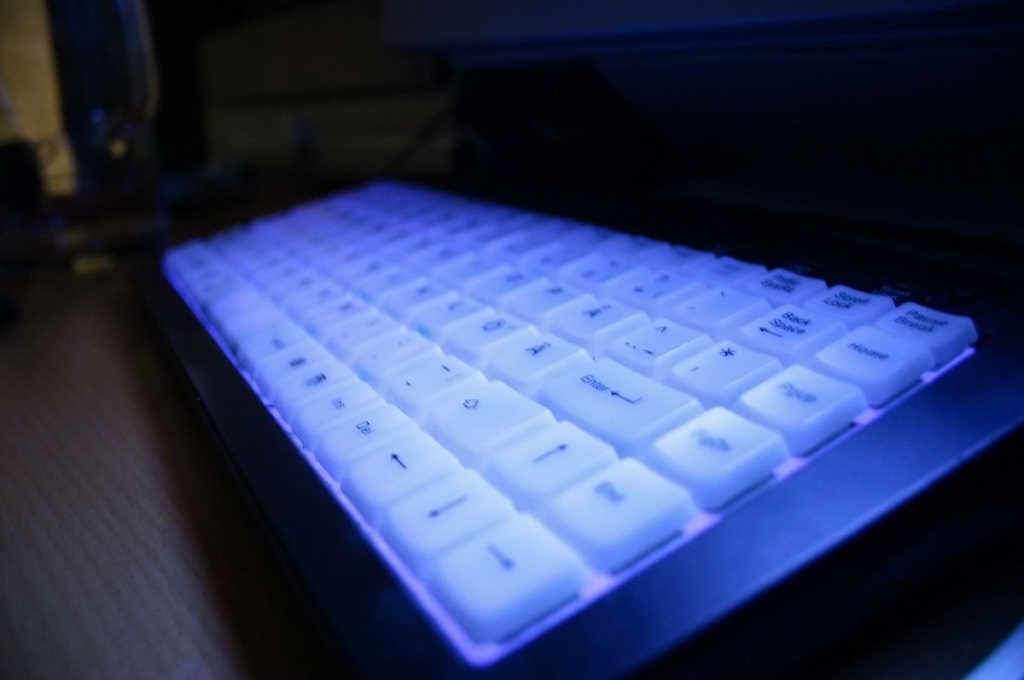
Research in the Netherlands has shown a strong correlation between obesity and the levels of artificial bluelight at night, with just one hour of blue-light exposure raising blood sugar levels and increased sugar consumption in rats the next day.
Presented at the Society for the Study of Ingestive Behaviour in Utrecht in July, the study exposed diurnal Sudanian grass rats to night-time blue light (490nm) and measured their food consumption and glucose tolerance the day after.
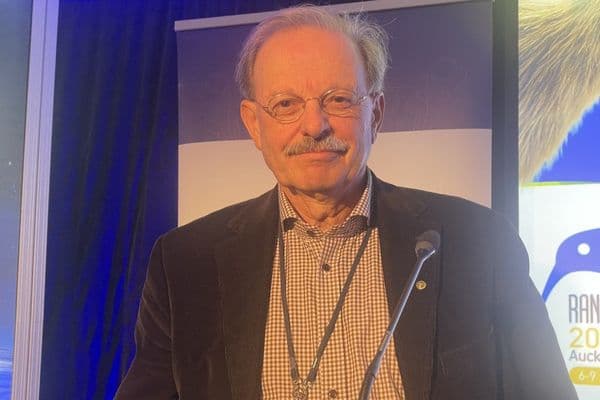
To monitor appetite control and food choice, the rats were given a choice of a nutritionally balanced food, water, lard, and sugar water. The male rodents drank more sugar water following blue light exposure than after nights without blue light. Lead investigator Anayanci Masís-Vargas said findings showed, “Acute exposure to blue light at night impairs glucose tolerance, alters insulin secretion and increase sugar intake in a diurnal rodent.”