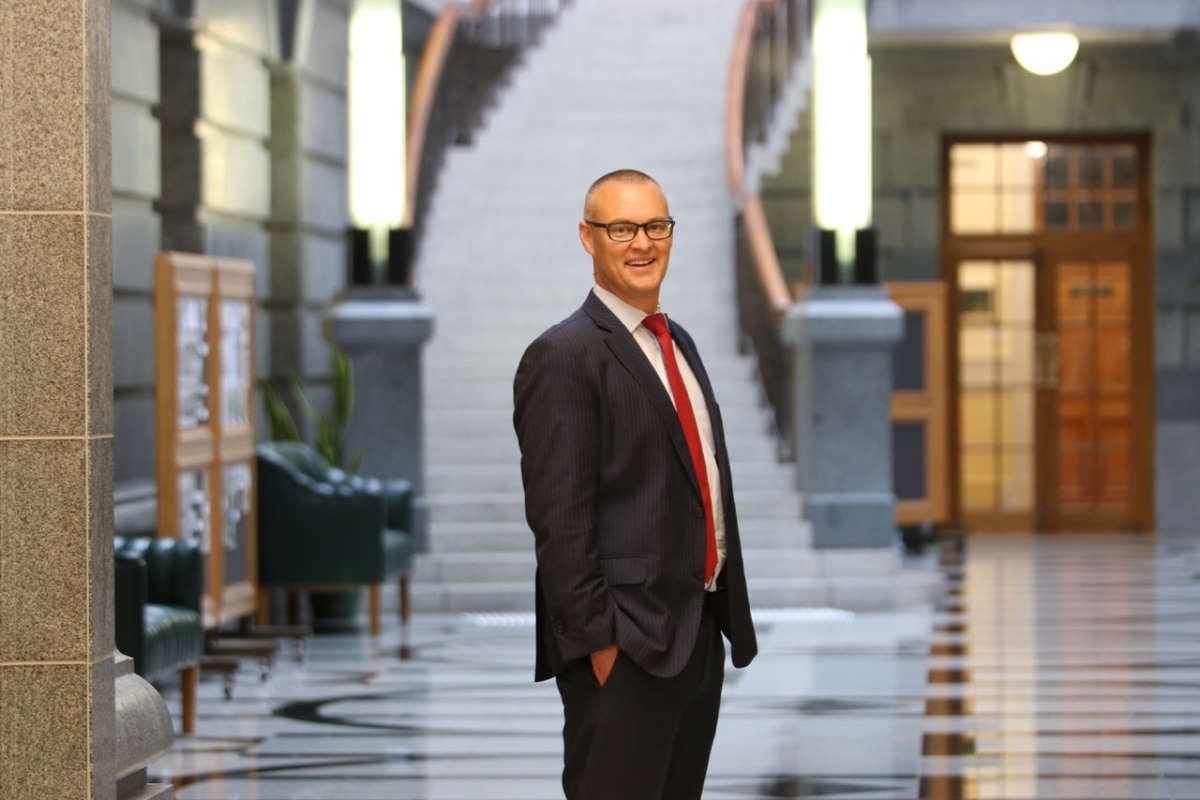
Labour’s first budget since regaining power lays the foundations for stronger, more sustainably-funded district health boards (DHBs), said Health Minister David Clark delivering his part of this year’s budget. “We all know DHBs have been starved of funding in recent years. That’s put pressure on staff and facilities – and put the squeeze on services delivered to the public.”
Budget 2018 delivered an extra $2.2 billion to DHBs over the next four years, the largest DHB funding increase in the last decade. “But even that will not be enough to make up for nine years of underfunding,” said Clarke. “Rebuilding our health system will take sustained investment.”
The government set aside a further $100 million next year for additional deficit support for DHBs, $126 million of operational funding over the next four years for planned care, to keep up with demand for elective surgeries and other procedures, and $750 million for urgent hospital building problems. “The new funding will mean DHBs can plan with more confidence and put forward business cases for important projects that have been put off for too long, such as infrastructure remediation, capacity investments and urgent building projects,” said Clark.
The combined pharmaceutical budget (CPB) was given a boost of $114.2 million to $985 million in 2018/19. Pharmac will also take over responsibility from the DHBs for buying medicines from 1 July, which is expected to save close to $200 million over four years given Pharmac’s purchasing power.
In primary care, the government extended free general practitioner (GP) visits to under-14-year-olds, made GP visits up to $30 cheaper for those on modest incomes who are eligible for the Community Services Card and extended the nurses-in-schools programme to cover decile 4 secondary schools. “We are removing barriers to care – particularly primary care, which is so important for identifying and treating problems early,” said Clark.