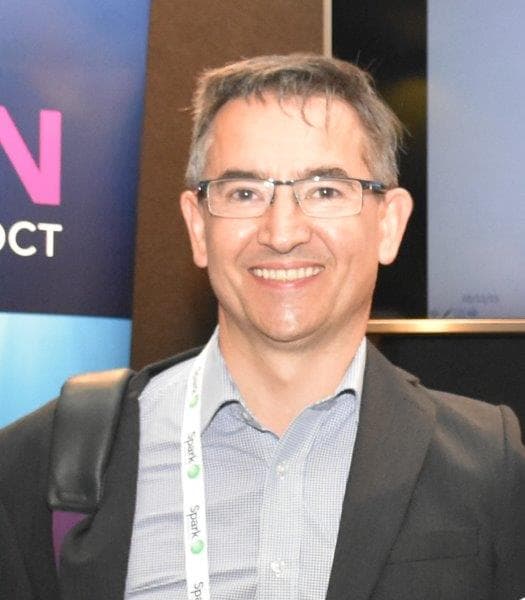
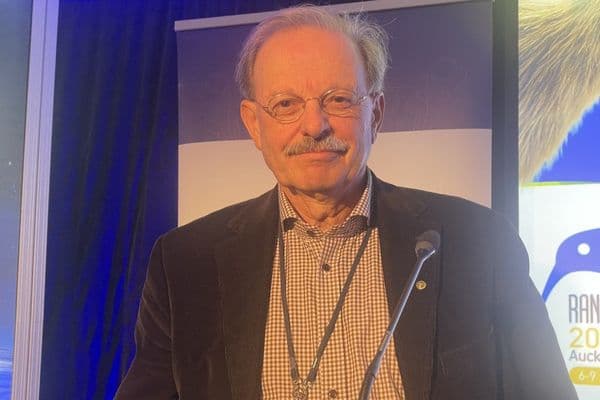
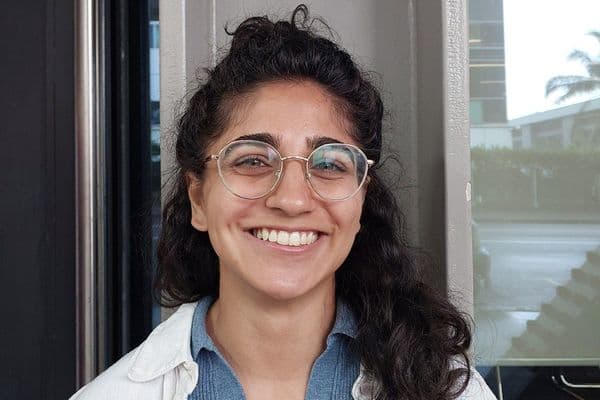
Dr Squirrell is also chief medical officer of Toku Eyes, an innovative eye-screening technology company spun out of Auckland University’s Bioengineering Institute, which has developed a new AI DR-screening system called Theia. Working with retinal screening datasets from Auckland and Counties Manukau DHBs, and following a recent clinical trial², Theia has been shown to have one of the most accurate screening algorithms in the world, said Dr Vaghefi, Toku Eyes co-founder and CEO. Toku Eyes’ economic modelling shows Theia could expand existing screening capacity by about 50% and reduce labour costs by 30% in New Zealand, he said. “Theia frees up specialists’ time currently spent scanning and writing reports for every patient, when just an estimated 5-10% actually need a referral.”
The system has been trialled in the Auckland region but none of the DHBs has made a decision to implement it yet, said Dr Sarah Welch, clinical director of the Northern Regional Ophthalmology Service. “Most ophthalmologists are in support of AI being rolled out soon… but limited support by DHBs for IT projects and outsourcing to Health Alliance often means projects take a lot longer to implement and cost a lot more than they should.”
New Zealand’s DR screening system as it currently stands is broken, with too many people needlessly losing their sight because of regional and equitable disparities, said Drs Welch and Squirrell, who both support a UK-style national screening system, but with AI at its heart. “The piecemeal approach with individual DHBs managing and running programmes had led to significant disparity of access. It also means there is no clarity about who has missed out or not,” said Dr Welch. “The implementation of AI across the country would be a good opportunity to reshape the screening programme.”
In the UK, the introduction of a national screening system has resulted in DR no longer being the leading cause of certifiable blindness among working-age adults (replaced by inherited retinal disorders). Despite this and similar success stories in Singapore and South Korea, a national retinal screening programme has not been considered by the National Screening Advisory Committee, admitted Deborah Woodley, the Ministry of Health’s (MoH’s) deputy director-general population health and prevention. “There are a variety of local DR screening services across the country, some of which are very effective and include trials for the use of AI. The ministry has provided updated standards for grading, referral and monitoring advice (which) recognises… that technology in this area is quickly evolving (and) aims to promote convergence of regional services, thereby reducing variation and providing a national benchmark.”
Following the NZ Herald’s enquiries, one of the poorest DR screening performers in the country, Waitematā DHB, announced it had found funding to double the number of screenings in the region, aided by an additional mobile screening unit. However, this doesn’t use AI, which could more than double its screening capacity. When asked why this was, in a joint statement with Auckland DHB, Waitematā said it was open to the opportunities AI presents for health. “We are actively assessing the value of AI and recognise that it has the capacity to improve the current retinal screening programme. For AI to be implemented successfully, it must be integrated effectively with existing DHB clinical systems and processes. To ensure appropriate clinical care, our AI assessment is considering how this integration can be achieved operationally, as well as the level of investment required to make this happen – including the cost of the AI programme itself.”