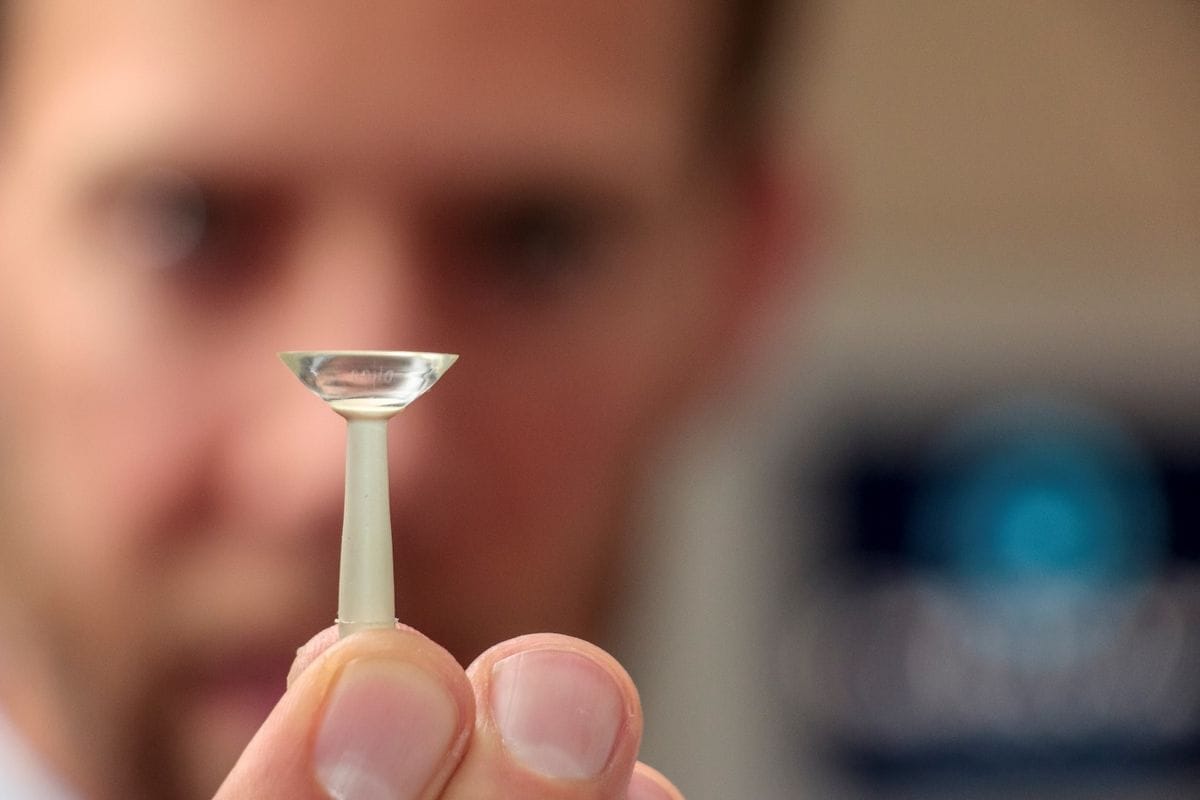
Aside from a GST increase in 2010, the Ministry of Health’s (MoH) contact lens (CL) subsidy hasn’t been revised since its inception in 1988 and is now outdated and falling short of the cost of caring for patients, according to several industry professionals.
Robert Ng, a teaching fellow at the School of Optometry and Vision Science at Auckland University, examined the subsidy as a part of a recent study into New Zealand optometry practice charge-out rates and operating expenses. “The subsidy was put in place to support patients with keratoconus and other eye diseases for which glasses don’t provide adequate vision correction,” said Ng. “It’s available to optometrists and dispensing opticians who fit or supply these patients, provided they have an agreement with the MoH.”

After requesting information from the MoH, Ng said the subsidy costs MoH around $5million a year. If the MoH was to adopt a conversative inflation adjustment (100.8% since Q4 1989, using the Reserve Bank’s inflation calculator), the annual expenditure for the subsidy would double, he said. “This should not make a significant impact on their budget, given the government announced an extra $399million over four years in Budget 2021 for Disability Support Services, which this subsidy falls under. A review is well overdue and, given the Health NZ reform and current inflation, now is a good opportunity.”
While the CL subsidy is not currently under review, the MoH said it commissioned The Litmus Review, an independent evaluation of the subsidy, in 2013. The Litmus Review raised two key issues, which the ministry said are still relevant: the current fees do not reflect the expertise required to fit the lenses for some conditions and the existing lens categories have not kept up with advances in lens technology.