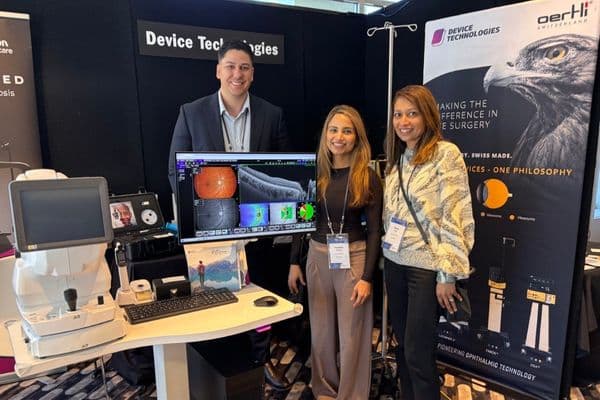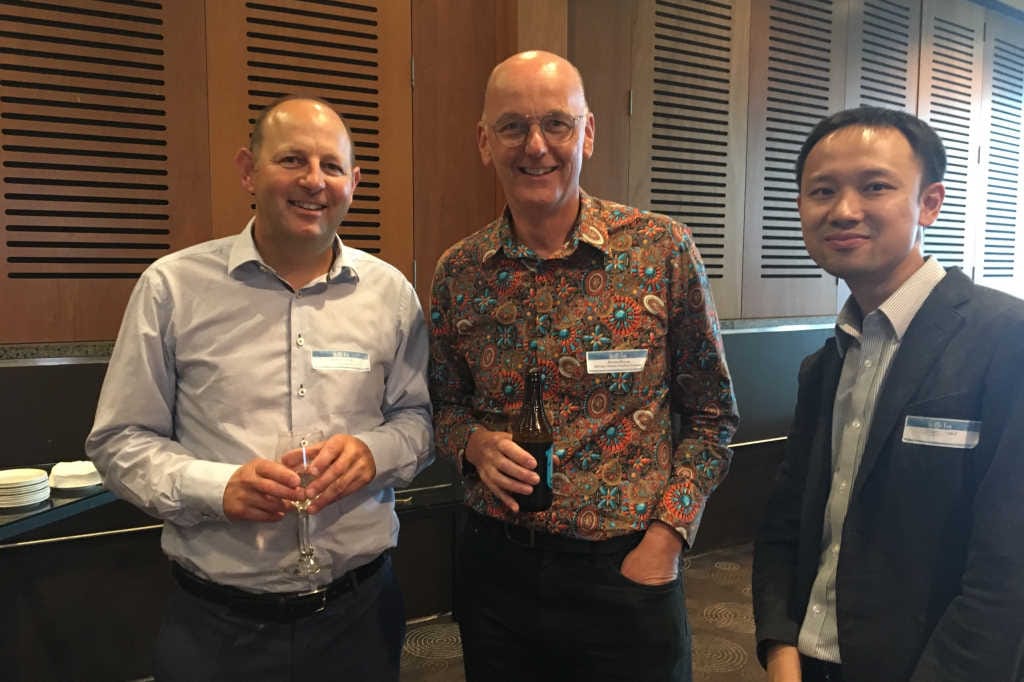
Eye Doctors launched the 2020 Grand Rounds in late February at Novotel, Greenlane, with topics including irregular corneas, medication toxicity, visual field testing, strabismus surgery and ocular coherence tomography (OCT) interpretation. A pleasant mix of learning and networking was enjoyed by all, providing a stellar start to the Auckland CPD season.
Keynote speaker Dr Penny McAllum kicked off proceedings with a talk on how to manage irregular corneas, particularly when planning for cataract surgery. Dr McAllum said today’s patients have high expectations of good visual outcomes and, as irregular corneas are quite common in the cataract population, these patients require careful pre-operative evaluation, education and medical and/or surgical management to avoid disappointment and compromised outcomes.
Dr McAllum discussed management of pterygium, Salzmann’s nodules, conjunctivochalasis and epithelial basement membrane dystrophy. Surgical removal should be considered for large or central lesions, in cases with irregular astigmatism and if other symptoms are present, she said. Combining ocular surface surgery with intraocular surgery is never a good idea, Dr McAllum stressed, adding that surgical removal of pterygium requires three to six months to heal.
When it comes to lens choice and irregular corneas, Dr McAllum’s ‘go to’ for mild regular astigmatism is a toric monofocal lens. She said she would not recommend a multifocal lens for corneal disease patients, as the contrast sensitivity is already reduced and would be further compromised by a multifocal lens.
Post-surgery follow-up in this population requires a little extra ‘TLC’, said Dr McAllum. She recommended prescribing lubricants, treating blepharitis, considering preservative-free drops and sometimes temporary punctal plugs. Avoiding neomycin may also assist with faster ocular surface healing.