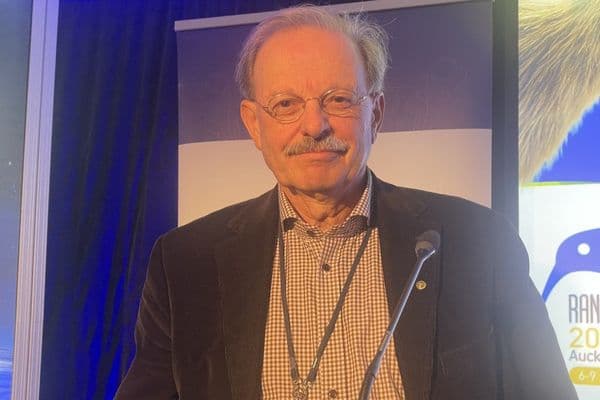
The Centre for Eye Research Australia’s (CERA’s) 12th annual Gerard Crock Lecture focused on the future of eye health and what we need to do to eliminate preventable blindness. Delivered late last year, the lecture was given virtually by Melbourne Laureate Professor Hugh Taylor, the Harold Mitchell professor of indigenous eye health at the University of Melbourne and a former CERA founding director.
Prof Taylor opened his talk, Eye Health in 2020 and beyond, by discussing global eye health and the efforts being taken to improve eye health and equity in eye care. Despite global and national efforts to eliminate preventable blindness, resulting in a dramatic decrease in prevalence, actual numbers are still increasing due to our increasingly elderly population, he said.
The World Health Organisation’s (WHO’s) 2019 World Report on Vision found at least one billion people have vision impairment that could have been corrected or is yet to be addressed, while another 2.2 billion have vision impairment that has been addressed and require regular eye care.
The report was a game changer, said Prof Taylor, leading WHO and the International Agency for the Prevention of Blindness (IAPB) to set five actionable goals to improve eye care globally, including making eye care an integral part of universal health coverage and implementing integrated people-centred eye care in health systems. The latter includes training more ophthalmologists and eye care teams to meet community needs. “To meet increasing demand and end preventable blindness, we need to integrate comprehensive eye care into health care systems, with community level primary eye care integrated into primary health care and give those who are trained support, infrastructure and continuing professional development,” said Prof Taylor.
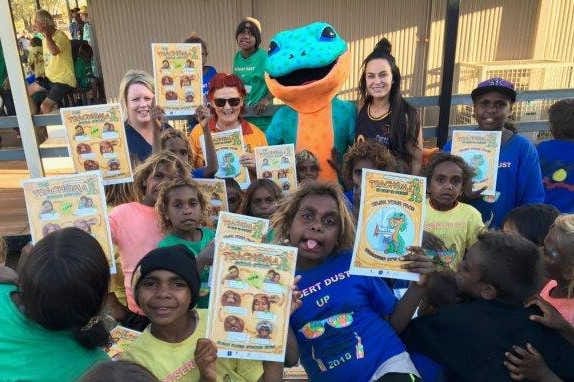
For more than a decade, Prof Taylor has been doing exactly that in Australia. In 2008, he left CERA to set up Minum Barreng (Tracking Eyes), to help provide equity in eye care to Indigenous Australians. “When we started, CERA’s investigations showed there was six times more blindness among indigenous adult Australians compared to non-indigenous: 94% was avoidable and 35% had never had an eye exam.” The National Indigenous Eye Health Survey (2008) showed that vision loss accounted for 11% of the health gap and would double in 20 years if things were left as they were. “What I found surprising was that the unmet need for eye care was the same in rural as in urban areas. The Victorian aboriginal health service at the time was less than a mile from the Royal Victorian Eye and Ear Hospital - the largest eye hospital in the Southern hemisphere - we just needed people to walk across Victoria Parade!” So, whilst there was a whole lot of things that needed to be done in the rural areas, there were similar things needed in the urban areas as well, said Prof Taylor.