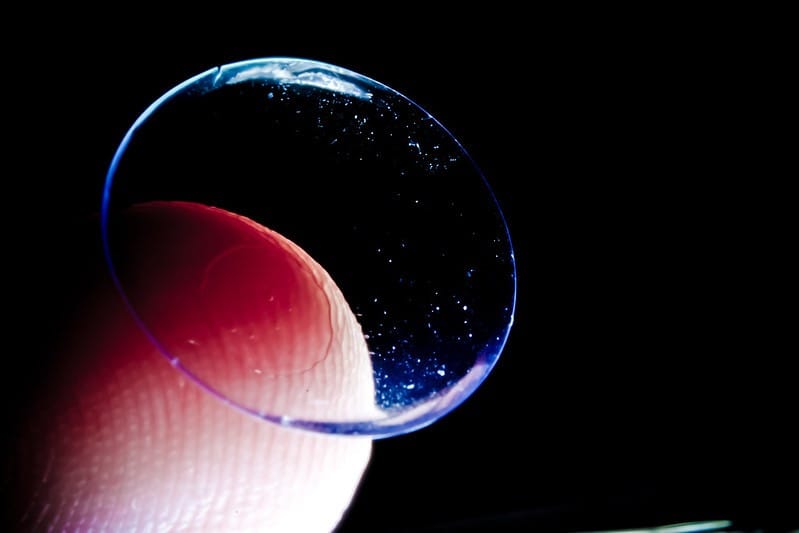
What if contact lenses could control the secretion of insulin? This might now be possible thanks to some new, smart contact lens technology that can detect diabetes and treat diabetic retinopathy by controlling drug delivery with electrical signals.
South Korean researchers from the Pohang University of Science and Technology (Postech) developed their new wireless, smart contact lens using biocompatible polymers with integrated biosensors and drug delivery and data communication systems. The technology was tested by comparing the glucose level in tears of diabetic rabbits, analysed by the lenses, with the rabbits’ blood glucose levels measured using conventional blood tests. Through further testing, the research team also confirmed that drugs encased in the smart lenses could treat diabetic retinopathy.
The research has now also been extended into trialling the same technology to treat brain disorders, such as Alzheimer's and Parkinson's, as well as depression, said research lead Professor Sei Kwang.
"Despite the full-fledged research and development of wearable devices from global companies, the commercialisation of wireless-powered medical devices for diagnosis and treatment of diabetes and retinopathy is insufficient.
"We expect that this research will greatly contribute to the advancement of related industries by being the first in developing wireless-powered smart contact lenses equipped with drug delivery system for diagnosis and treatment of diabetes, and treatment of retinopathy.”