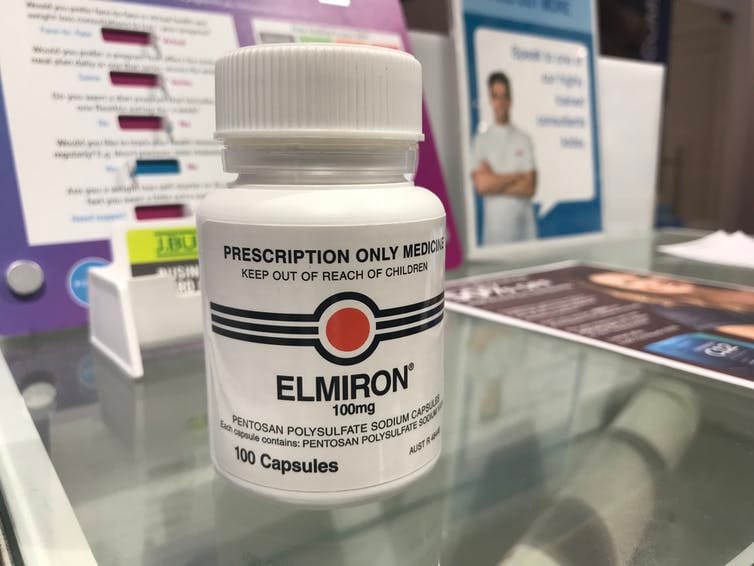
A new study shows that patients with significant exposure to the widely prescribed Elmiron (pentosan polysulfate sodium) for bladder infections show signs of retinal damage.
The research, presented at American Academy of Ophthalmology’s (AAO) 123rd annual meeting, found that about a quarter of patients with significant exposure to Elmiron showed definite signs of eye damage, and that this medication toxicity could masquerade as other known retinal conditions, such as age-related macular degeneration or pattern dystrophy.
Last year, a warning was raised by Dr Nieraj Jain that long-term use of Elmiron may damage the retina. Dr Jain reported that six patients, who had been taking Elmiron for about 15 years, had developed unusual changes in their macula, with nothing in the patients’ medical history or diagnostic tests explaining the subtle, but striking, pattern of abnormalities.
Ophthalmologists at Kaiser Permanente, California; Drs Robin Vora, Amar Patel and Ronald Melles, noted the warning and looked at their population of patients. They initially found one woman on long-term treatment who was misdiagnosed as having a retinal dystrophy. This case prompted them to examine Kaiser’s entire database of 4.3 million patients.
They found 140 patients who had taken an average of 5,000 pills each over the course of 15 years. Of those 140 patients, 91 agreed to come in for an exam. Detailed images of the back of their eyes were taken and divided into three categories: normal, possible abnormality or definite abnormality. Twenty-two of the 91 patients showed clear signs of drug toxicity. The rate of toxicity rose with the amount of drug consumed, from 11% of those taking 500 to 1,000g to 42% of those taking 1,500g or more.