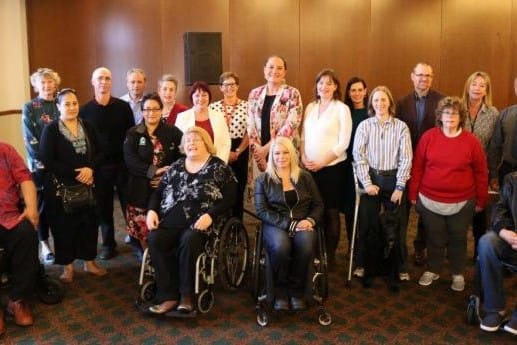
A new disability support system, including a new funding model, will be trialled from 1 October in the MidCentral District Health Board (DHB).
The new Enabling Good Lives (EGL) initiative shifts the decision-making power to the disabled person to make choices about what works best for them and includes a personal budget, moving the funding model away from government-contracted services, to allow each disabled person to buy the services they need.
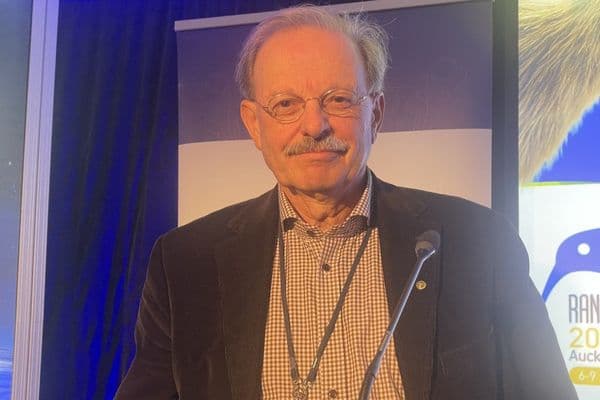
While personal budgets have been around for several years, the key difference with the MidCentral roll-out is that anyone who currently receives funding from the Ministry of Health or Ministry of Social Development will automatically qualify for a personal budget, said Dr Garth Bennie, CEO of the New Zealand Disability Support Network (NZDSN). This personal budget is more flexible than either the individualised funding (IF) scheme (for personal care, household management and respite services) which has been running in Christchurch and the Waikato since 2012, he says, or the enhanced individualised funding (EIF) scheme, offered in the Bay of Plenty, which widens the IF scheme to include other support services not traditionally available. Both IF and EIF support allocations are also managed by individuals, but through a government-contracted host organisation.
The new MidCentral initiative “is about disabled people and their whānau having more options and greater decision making over what supports they need to live the life they want, rather than their lives having to fit around what has been on offer,” explains disability issues minister Carmel Sepuloni.
In the longer term, the new funding model could lead to major changes for government-funded organisations working in the disability sector, says Dr Bennie, noting that communities are looking forward to the coming changes while providers are variously enthusiastic, tentative, nervous and terrified by them.