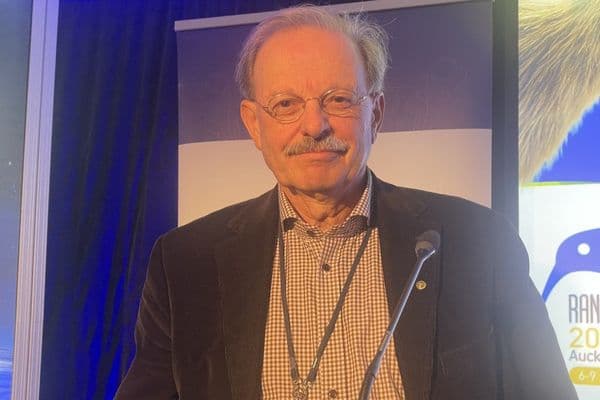
Doctors are a key part of the medical community and should lead the decarbonisation of healthcare and advocate for sustainability, according to Dr Jesse Gale, chair of the Royal Australian and New Zealand College of Ophthalmology’s (RANZCO’s) sustainability committee. Sharing this view online at RANZCO’s 52nd scientific congress earlier this year, Dr Gale said climate change is both an existential and public health threat and actions should focus on reducing the burden of human activity on the environment. “Dealing with climate change will also deal with several other environmental concerns and should have co-benefits for equity and public health, which are concerns that doctors should be advocating for.”
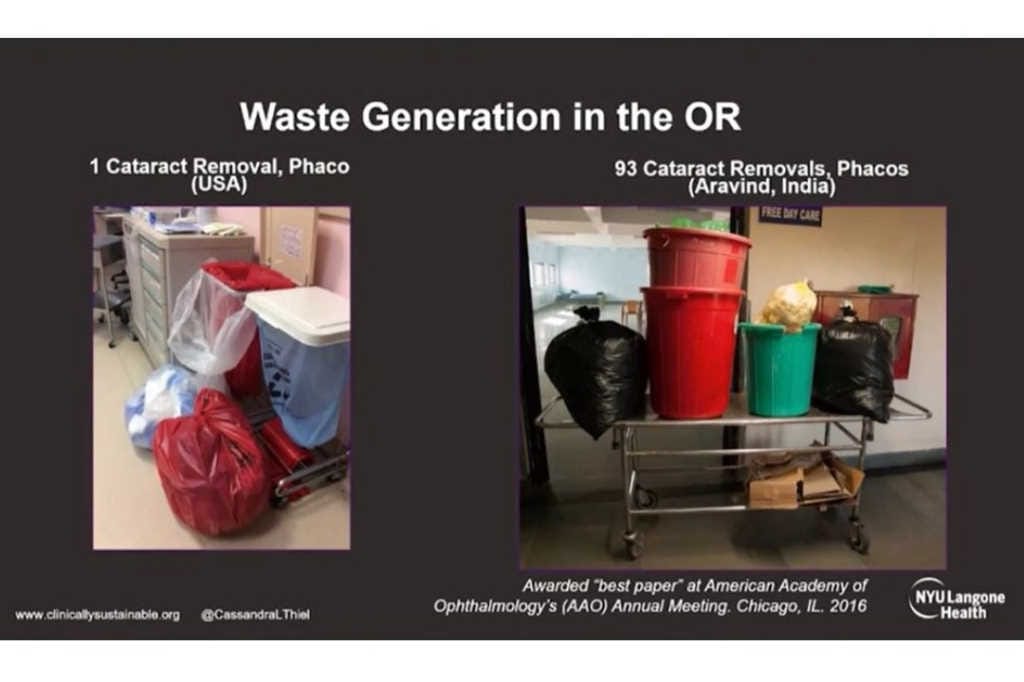
Dr Gale shared results from an online survey of RANZCO fellows which showed concern for climate change is higher in the general population in Australia and New Zealand than among ophthalmologists, but 68% of fellows agreed climate change due to human activities is an urgent issue. Other findings revealed female and younger ophthalmologists support climate action and advocacy more, while rural ophthalmologists are most opposed. Of the respondents, 57% thought RANZCO should advocate for climate change mitigation and adaptation, while 68% agreed public hospitals should have sustainability as a key performance indicator. “When it comes to decarbonising our hospitals and practices, the biggest contributors are energy and transport, including staff commutes, patient visits and supply deliveries,” said Dr Gale. “Reducing transport emissions in ophthalmology will mean delivering care closer to home (and) closer to public transport hubs, and reducing unnecessary visits and low-value care visits.”