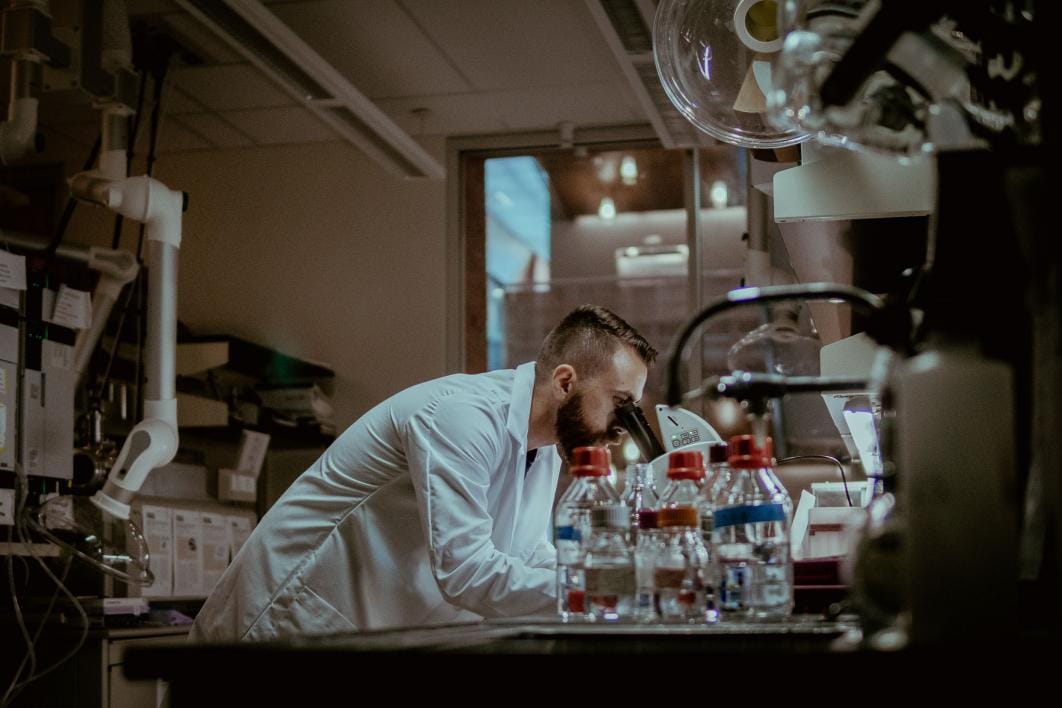
Arizona State University (ASU) scientists have found that 15 to 20 percent of contact lens wearers are flushing the lenses down the sink or toilet, contributing to the growing issue of plastic pollution, potentially including microplastics in the ocean, and the food chain.
“This is a pretty large number, considering roughly 45 million people in the U.S. alone wear contact lenses, amounting to 1.8 - 3.36 billion lenses flushed per year, or about 20 - 23 metric tons of wastewater-borne plastics annually," said PhD student Charles Rolsky.
Lenses that are washed down the drain typically are conveyed to wastewater-treatment plants, say the researchers. The study showed that wastewater plants fragment them into microplastics, which accumulate in sewage sludge. For about every kilogram of wastewater sludge, a pair of contact lenses typically can be found.
Sewage sludge is routinely applied on land for sludge disposal and soil conditioning, creating a pathway of macro- and microplastics from lenses to enter terrestrial ecosystems where potential adverse impacts are poorly understood, said Rolf Halden, director of the Biodesign Institute’s Center for Environmental Health Engineering at ASU.
Entry of wastewater-borne contact lenses into aquatic environments is a potential concern, although it was not directly observed in the study. However, it is known that run-off from sludge-amended soils can pollute surface waters. Fragmented contact lenses also may pass through the wastewater-treatment plant to enter surface waters as microplastics contained in reclaimed water.