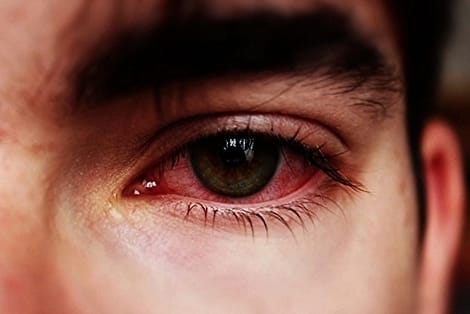
Highlighting the importance of earlier diagnosis and intervention, a team from the University of Bristol have developed new treatment guidance to help tackle uveitis.
“Uveitis is often detected too late, by which point irreversible damage may already have occurred,” said lead author Dr Panayiotis Maghsoudlou, clinical lecturer in ophthalmology at the Bristol Medical School. “It is vital that people experiencing persistent eye pain, redness, sensitivity to light, new floaters, blurred vision, or sudden changes in sight seek urgent medical attention.”
Early intervention can significantly improve outcomes and, in many cases, prevent permanent sight loss, said Dr Maghsoudlou, but diagnosing and treating uveitis is challenging due to the varying presentation of multiple subtypes, each with distinct underlying causes and responses to treatment. To tackle this and help GPs diagnose and treat uveitis more effectively, the research team conducted an extensive review of 2,900 published studies on uveitis to identify the most effective diagnosis and course of treatment, he said.