The government’s recent announcement of a major restructure that will see the 20 district health boards replaced by one new body, Health New Zealand, has been cautiously welcomed by the country’s eyecare professionals (ECPs).
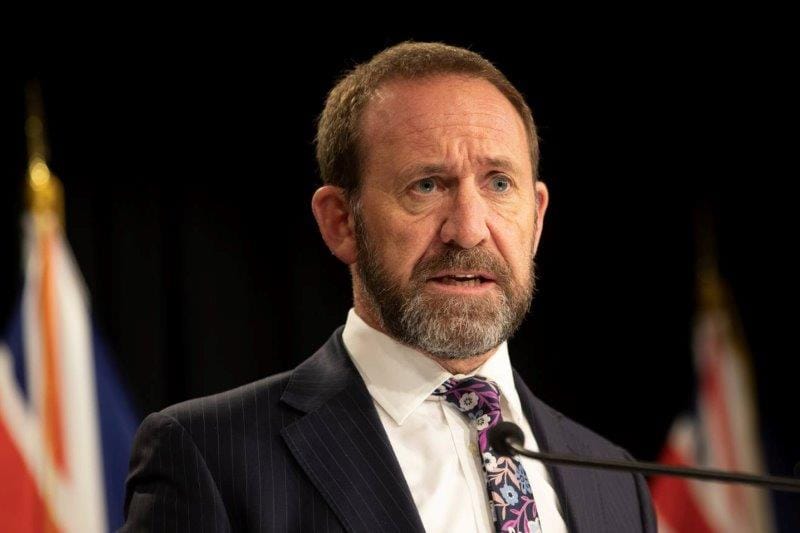
Health NZ will have four regional divisions, district offices and a dedicated Māori Health Authority, with the changes taking effect over three years. Speaking to Radio New Zealand (RNZ), health minister Andrew Little said the plan is not about saving money but about a restructure that enables better decisions and a better flow of patients through the health system. “We have a structure at present that makes it darned hard for a clinician or a senior hospital administrator to say ‘Look, this patient would be better served getting their treatment in a different hospital’.”
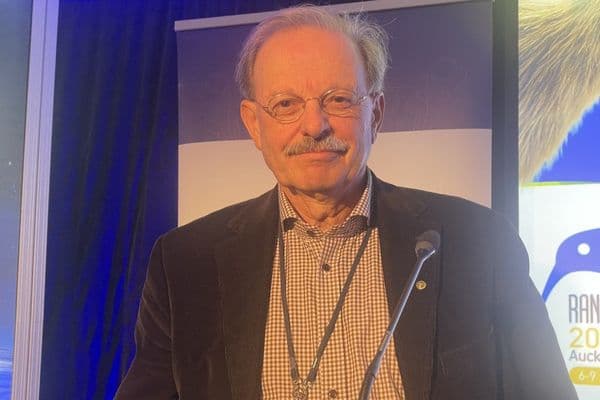
The key issue for rural practitioners in areas such as Gisborne, Timaru and Whanganui is that if there is only one eye doctor, said Gisborne-based ophthalmologist Dr Graham Wilson, “Then it often becomes a situation where there is way too much work for one ophthalmologist but perhaps not enough for two. So to have a more Kiwi-wide approach, where others will come and help in the interim, is critical for better patient care.”
Rural General Practice Network chief executive Grant Davidson, however, told RNZ that while he agreed with the national approach, a rural plan needed to be a priority to serve an already stressed workforce at risk of leaving. While Far North mayor Wayne Brown, who has also chaired the Northland, Auckland and Tairāwhiti DHBs, said there was an “army of administrators” needing to go and he hoped the restructure would reduce bureaucracy rather than just shift it to Wellington.
Hamilton’s Dr Stephen Ng, formerly head of the government’s national ophthalmology expert advisory group, said he hoped the new Māori Health Authority would recognise the urgent need to address inequity in the delivery of eyecare to Māori, and removing DHB boundaries would end frustrations with cataract surgery eligibility. “With the abolition of DHBs, hopefully New Zealanders will see a single national standard for access to cataract surgery.” Dr Ng’s thoughts were echoed by Royal Australian and New Zealand College of Ophthalmologists (RANZCO) NZ Branch chair Dr Peter Hadden, who also cautioned that the reforms should not be at the expense of reducing services in communities that are currently well served.