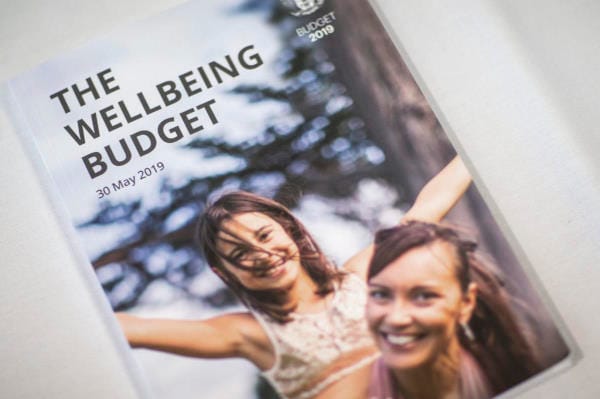
New Zealand’s first Wellbeing Budget made an ‘unprecedented investment’ in hospitals and health facilities, responding to years of under-investment by the previous government.
Increased funding over the next two years will see $1.7 billion spent on health capital projects, with district health boards (DHBs) receiving a collective $2.9 billion boost over the next five years in response to New Zealand’s growing and aging population. Capital projects include the Dunedin Hospital rebuild, building repair work at Middlemore and new mental health facilities in Christchurch.
“This unprecedented investment in our hospitals and facilities gives DHBs the certainty they need to plan for the future. It means they can put forward business cases for important projects that have been put off for too long,” health minister David Clark said.
The current government inherited issues with earthquake-prone hospitals, asbestos, leaky roofs and buildings that have simply come to the end of their useful life, thus the Budget 2019 investments build on the $750 million invested in health in last year’s budget, he said. “Once completed, these projects, and new ones funded through Budget 2019, will make a real difference for the patients and staff who work in our hospitals. But there is still much more work to be done to deal with the legacy of a decade of underinvestment in our health infrastructure.” Budget 2019 also set aside additional funding for planned care, such as elective surgeries, though a figure was not revealed.
Funding for Pharmac also grew, with an extra $40 million allocated over the next four years. For 2019/20, this will boost our national drug funder agency’s combined pharmaceutical budget to almost $1 billion.