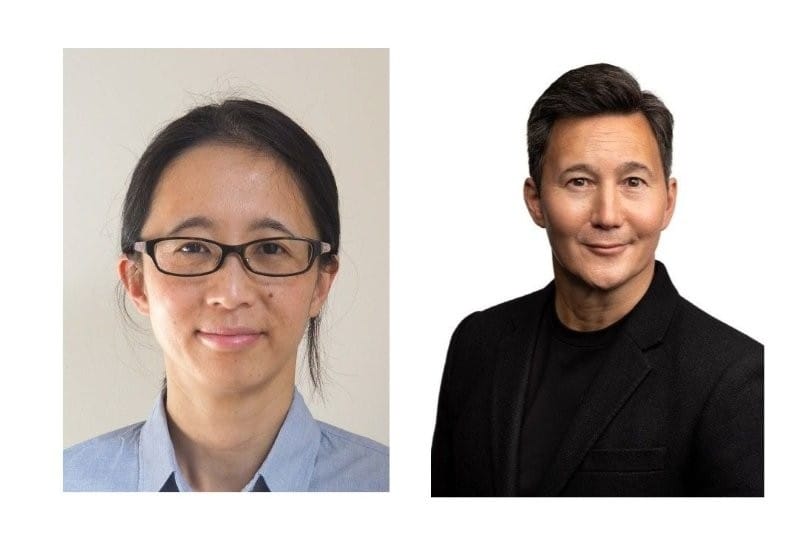
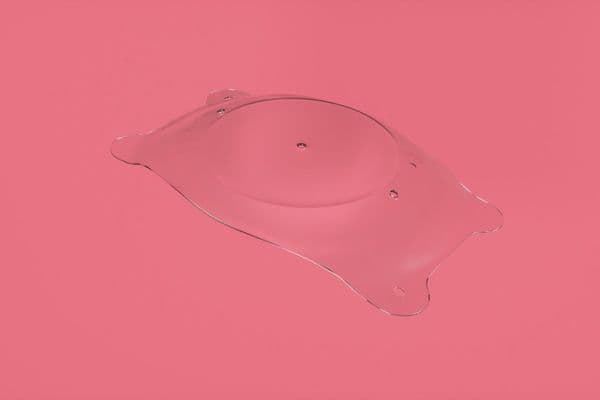
The appeal of working with specialty CLs is they can make such a difference in the lives of such a wide range of patients, Kojima said. “In myopia control, they protect the eyes from the potential damage and vision loss of the elongated eye. In the diseased, post-surgical and irregular eye shape these lenses can completely change lives and restore sight. And, similarly, they make it possible for an ocular surface disease patient to function without discomfort or ocular pain.”
Kojima said he believes all eyecare practitioners can become specialty CL providers. “It doesn’t have to be intimidating. If the practice is primarily young patients, then focusing on myopia-control lenses will offer a needed area of care for adolescent eyes. If your practice has a high percentage of dry eyes, then focusing on lenses that might help [those patients] could be very beneficial to patient and practice alike.” Building a specialty contact lens practice does not mean you need to be an expert with every lens, he explained. “It’s possible to start with one modality and learn all that’s possible through conferences, online training and mentorship. With the help of colleagues and lens consultants at the lab, each patient is an opportunity to build experience and expertise.”
Reflecting on optometry practice here compared with in North America, Kojima said he has always been impressed by how much CL research has come from his Kiwi and Aussie cousins. “In North America, the optometrist is increasingly called to be involved in disease detection and management and there is less academic focus in the schools on contact lenses because the curriculum requires a robust disease management emphasis. In my experience, visiting both New Zealand and Australia, the focus is and has always been on contact lens expertise. Practitioners here can lead in contact lenses because [they can successfully address] simple and complex visual disorders,” he said.
When not busy with work, Kojima loves being a dad and reckons his Uber-dad gig is coming close to a full-time after-school job. He also confesses to being a bit of a history nerd and loves travelling with his kids, exploring new places and learning more about the history of each place.
Dr Gokul pointed out CCLS is the only conference in New Zealand where optometrists and ophthalmologists come together to connect and collaborate specifically on anterior segment pathology and CLs. “It makes this event uniquely valuable. But it isn’t just about learning – it’s also a chance to meet up with old friends and colleagues and make new ones, capped off with a fun Hawaiian-themed dinner that will bring a vibrant, memorable celebration to an incredible gathering,” he said.