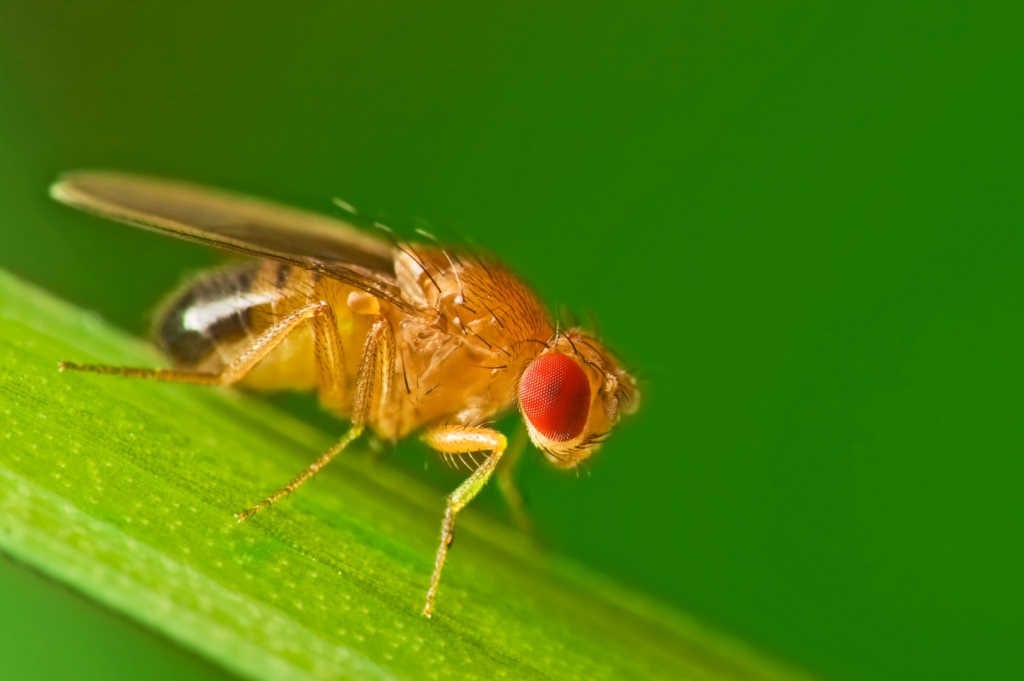
US-based researchers have demonstrated a link between diet, circadian rhythms, eye health and lifespan for the first time, in a study on Drosophila.
The study builds on earlier research which showed fruit flies on a restricted diet had significant changes in their circadian rhythms and an extended lifespan. This study, published in Nature Communications, also unexpectedly found that processes in the fly’s eye were actually driving the aging process, said senior author and Buck Institute Professor Pankaj Kapahi. “We are now showing that not only does fasting improve eyesight, but the eye actually plays a role in influencing lifespan.”
The explanation for this connection lies in circadian clocks, the molecular machinery within every cell, which have evolved to adapt to daily stresses, such as changes in light and temperature, explained lead author Dr Brian Hodge. This study showed numerous genes were both diet-responsive and also exhibited ups and downs at different time points, and these activated genes all came from the eye, specifically from photoreceptors, he said. “Since photoreceptors are just specialised neurons, the stronger link I would argue is the role that circadian function plays in neurons in general, especially with dietary restrictions, and how these can be harnessed to maintain neuronal function throughout ageing.”