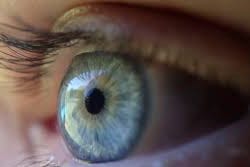
A laser-based technique that can produce a full 3D image of all the layers of the retina, allowing doctors to better diagnose and treat eye diseases such as cataracts, diabetic retinopathy, and cancer has been developed and is beginning to go into commercial production, scientist have announced. The new technology would allow medics to take an image of the eye ten times faster and over a ten times longer range than ever before, they added, dramatically improving the clinician’s ability to assess the condition of the eye and to ensure that nothing is overlooked.
According to the World Health Organization (WHO), “up to 80% of all visual impairment can be avoided or cured,” but early diagnosis and follow-up treatments are necessary to prevent eye diseases from turning into blindness.
Eye specialists currently use a non-invasive imaging technique called OCT but, because the eye is constantly moving, until now, this technology hasn’t been fast enough to take a full image of the eye.
Researchers from the Technical University of Denmark (DTU) have developed a swept light source technology that makes it possible to take full 3D OCT images of the eye and this is being commercialised by the university’s spin-out company, Octlight Aps.
With support from a European photonics incubator, Octlight says it has solved a critical challenge in miniaturising the packaging of this laser technology to meet commercial marketplace demands. It is now manufacturing these light sources to be used by medical technology companies in the commercialisation of full 3D OCT imaging devices.