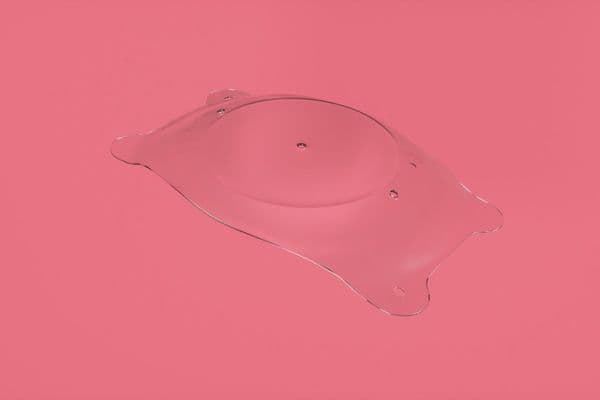
A study of violet- and blue-light filtering (VLF and BLF, respectively) chromophores in intraocular lens (IOL) implants has concluded that VLFs block the harmful light that contributes to reactive oxygen species (ROP). However, the team, led by Dr Daniel Chang at Empire Eye and Laser Center, California, cautioned that BLFs can exclude parts of the spectrum that are essential to human health.
While all IOPs block ultraviolet light, Chang’s team sought to establish the wavelengths, if any, within the 380-500nm spectrum that should be filtered. They concluded that the ideal filter permits blue light in the range of 450-500nm (allowing near-normal functioning of melanopsin, which impacts circadian rhythms and sleep quality) but blocks violet light below 450nm to prevent ROS formation.
The study adds to the findings of Associate Professor Laura Downie et al at The University of Melbourne, who stated in a 2018 paper that, “Short‐wavelength visible light can induce retinal phototoxicity and BLF-IOLs have been suggested to impart retinal protection and potentially prevent the development and progression of age‐related macular degeneration (AMD).”