A UK-wide study has shown that a new, safe and cost-saving surveillance pathway for people with stable diabetic eye disease is freeing up ophthalmologists to treat people requiring urgent care.
The new pathway may help ophthalmic units across the world improve their capacity while saving patients’ sight, explained Professor Noemi Lois, lead researcher and clinical professor of ophthalmology from the Wellcome-Wolfson Institute for Experimental Medicine at Queen’s University Belfast. It is already having a positive impact on the National Health Service (NHS), having been implemented successfully in several UK hospitals, she said.
The effectiveness of multimodal imaging for the evaluation of retinal oedema and new vessels in diabetic retinopathy (EMERALD) study, led by Queen’s University Belfast, tested the new ophthalmic grader pathway in 13 NHS hospitals. Trained graders monitor people with previously treated and stable complications of diabetic eye disease – diabetic macular oedema (DMO) and proliferative diabetic retinopathy (PDR) – by assessing images and retinal scans.
The study found the trained graders could monitor DMO and proliferative DR patients and achieve satisfactory results when compared with standard care (ie. ophthalmologists evaluating patients in clinic), saving about £1,390 (NZ$2,704) per 100 patients and freeing up ophthalmologists’ time to work on other things, said Prof Lois. “Ophthalmologists could then use this time to treat those who have DMO or active proliferative DR and who have not yet received treatment to save their sight.”
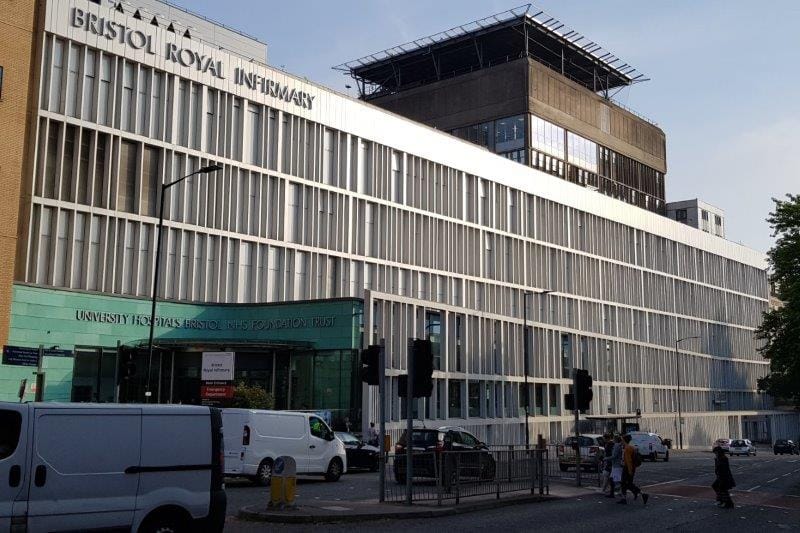
Dr Clare Bailey, consultant ophthalmologist at the Bristol Eye Hospital, said, “The important data from the EMERALD study has helped us to hugely increase our follow-up capacity, relieving some pressures resulting from Covid-19 as well as the longer-term capacity demands due to the increasing prevalence of DR.”