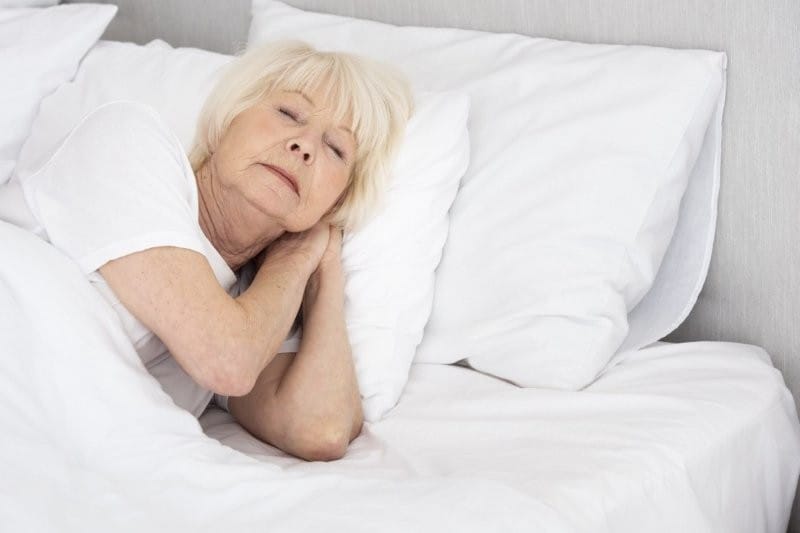
Contrary to their expectations, researchers found sleeping with the head elevated may increase intraocular pressure (IOP) in patients with glaucoma.
Exploring whether specific sleeping positions could help reduce IOP and function as an adjunctive strategy for nocturnal IOP management, 144 patients with glaucoma were enrolled in the Chinese study.
Sleeping in a high-pillow position (two pillows, 20–35°) was associated with significantly elevated IOP, increased 24-hour IOP fluctuation and reduced ocular perfusion pressure (all p<0.001), compared with supine sleeping. Greater postural IOP fluctuation was observed in younger individuals (p=0.027) and patients with primary open-angle glaucoma (POAG) (p<0.001). Multiple regression analysis identified thicker central corneal thickness and the presence of POAG (vs normal-tension glaucoma) as positive predictors of larger IOP changes.