The lipid layer, the thin outermost layer of the tear film, plays a critical role in preventing tear evaporation and maintaining ocular surface health. Even a thin but stable lipid layer can support tear film homeostasis1, but this requires frequent and complete blinking, a mechanism often compromised during contact lens (CL) wear.
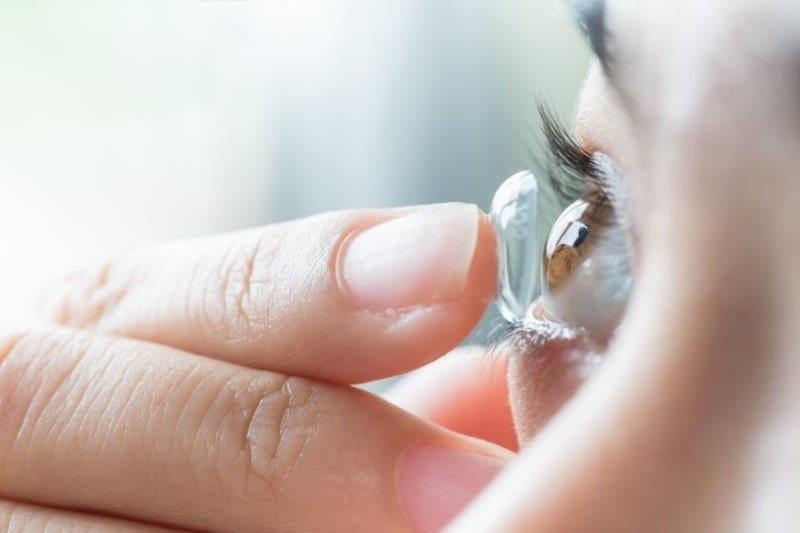
CLs disrupt natural tear film dynamics by separating it into pre- and post-lens components, leading to tear film instability. This disruption contributes to CL discomfort2, which is a factor in reduced wearing times and eventual lens dropout3. Understanding how CL wear affects the lipid layer relative to baseline characteristics is valuable for clinicians. This study sought to quantify the short-term impact of CLs on the lipid layer and other tear film characteristics in habitual soft CL wearers.
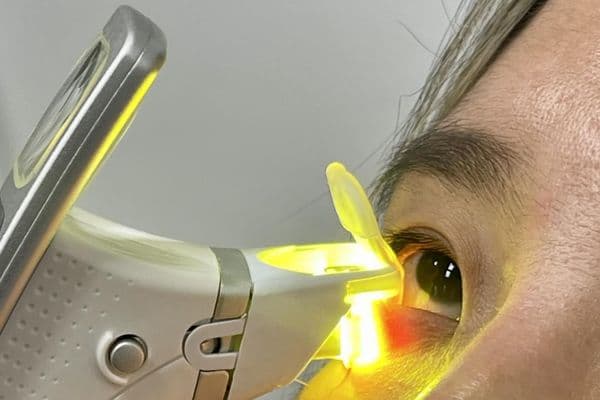
All participants wore a -1.00D silicone hydrogel lens and the tear film was assessed at baseline, before lens insertion and 20 minutes after CL insertion. Lipid layer grades (graded by a masked expert from lipid layer videos captured on a keratograph) dropped by an average of two grades (p<0.05) and the minimum lipid layer thickness (LipiView, J&J) reduced by 20% (p<0.05). Tear meniscus height also decreased (p<0.05) and incomplete blinking increased from 33% at baseline to 50% with lenses. Notably, there was a seven-fold increase in the number of participants displaying a suboptimal lipid layer (≤ grade 2) during CL wear, relative to baseline.