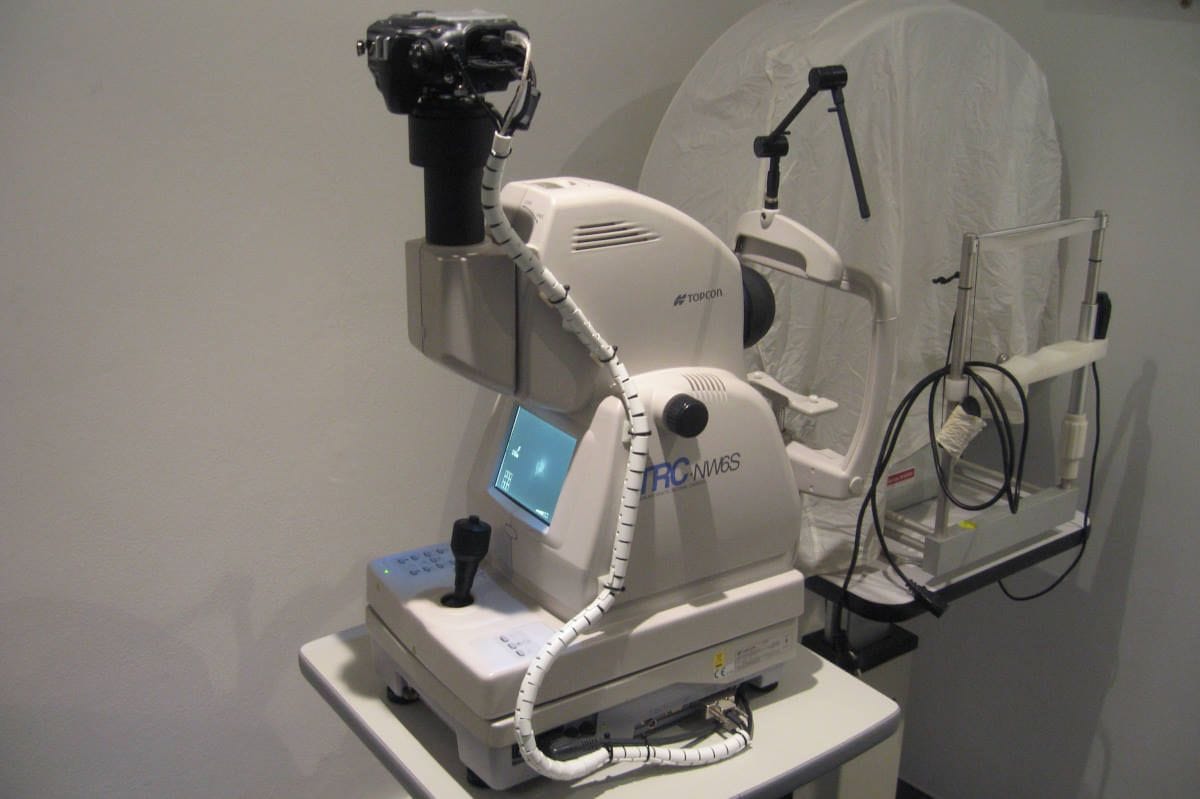
Indigenous communities will benefit from the AU$2.5 million the Australian government is putting into retinal cameras and training.
The Provision of Eye Health Equipment and Training initiative, co-led by Brien Holden Vision Institute (BHVI) and the Australian College of Optometry (ACO), working with the Aboriginal Health Council of South Australia (AHCSA), Centre for Eye Health(CFEH), and Optometry Australia (OA) is currently rolling out retinal cameras, training and support for the health services in a total of 105 sites across Australia, and the programme’s expansion will enable close to 150 cameras to be rolled out by June 2020.
Those involved in indigenous eye health are welcoming the investment as it means many more communities, across all states and territories in Australia will receive equipment, as well as training and mentoring for primary health care professionals who will be using the equipment, to support basic screening for diabetic retinopathy within primary care settings.
Continuing the momentum already generated by the consortium-led programme over the last year, the project aims to increase rates of annual retinal checks for Aboriginal and Torres Strait Islander people with diabetes, via the MBS item 12325 Retinal photography with a non-mydriatic retinal camera.
In addition, the programme extension will fund the design and delivery of a new educational course aimed at embedding the retinal cameras into existing health services. This will include workshops with general practitioners, health service managers and other associated staff playing a role in integrating the new process into their practice.
Mitasha Yu, regional director for Asia Pacific, Brien Holden Vision Institute spoke on the benefits of the programme and the government’s continued commitment. “We are pleased to have an opportunity to make inroads towards addressing the inequalities in eye care that exist in Australia. At community level, our focus is firmly on ensuring the provision of cameras and our training is translating into skill uptake, enabling greater empowerment for participants to work more effectively on the ground,” she said.