Aboriginal and Torres Strait Islander eye health has come a long way in a short time and is on track to equal that of the non-Indigenous population by 2020, University of Melbourne ophthalmologist Hugh Taylor told Royal Australian and New Zealand College of Ophthalmology (RANZCO) delegates in Adelaide last week.
Rates of blindness and vision loss among Indigenous Australians have improved continuously and significantly in the seven years Taylor has been tackling the issue.
“It is terrific to see the progress that has been made with great work being done by the Aboriginal and Torres Strait Islander health organisations and all of our partners in eye health,” Professor Taylor said ahead of his annual update for The Roadmap to Close the Gap for Vision at RANZCO’s Scientific Congress in Adelaide.
Some key points he highlighted are:
- 19 of 42 systemic issues identified in Indigenous eyecare have been fixed and three quarters of the intermediate activities have been completed
- In 2008 blindness and impaired vision among Indigenous people were six times the national rate. Now it is down to three times the national rate
- A third of Indigenous adults have diabetes and are at risk of blindness through diabetic retinopathy
- Up to 98 per cent of diabetes-related blindness can be prevented through annual eye exams and timely treatment in the disease’s early stages
- Diabetic retinopathy cameras and trained operators are being placed in more than 150 Aboriginal health clinics across Australia
- 53 of 63 regions across the country are now working to coordinate eye care for Indigenous people – covering more than 70 percent of the nation’s Indigenous population
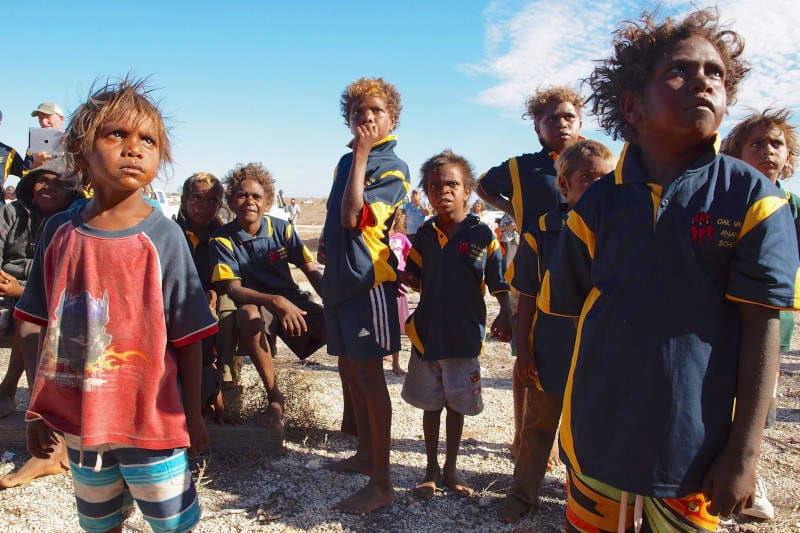
- The rate of trachoma, a blinding eye infection passed child to child and prevented by keeping faces clean, dropped from 21 per cent in outback children in 2008 to 3.8 per cent in 2018 and is on track to be eliminated by the end of 2020
- Australia remains the only developed country with endemic trachoma, which is only found in Indigenous communities. Prompt repair and maintenance of washing facilities is key to helping children wash faces, while more timely data-reporting would allow targeted intervention in trachoma hot spots.