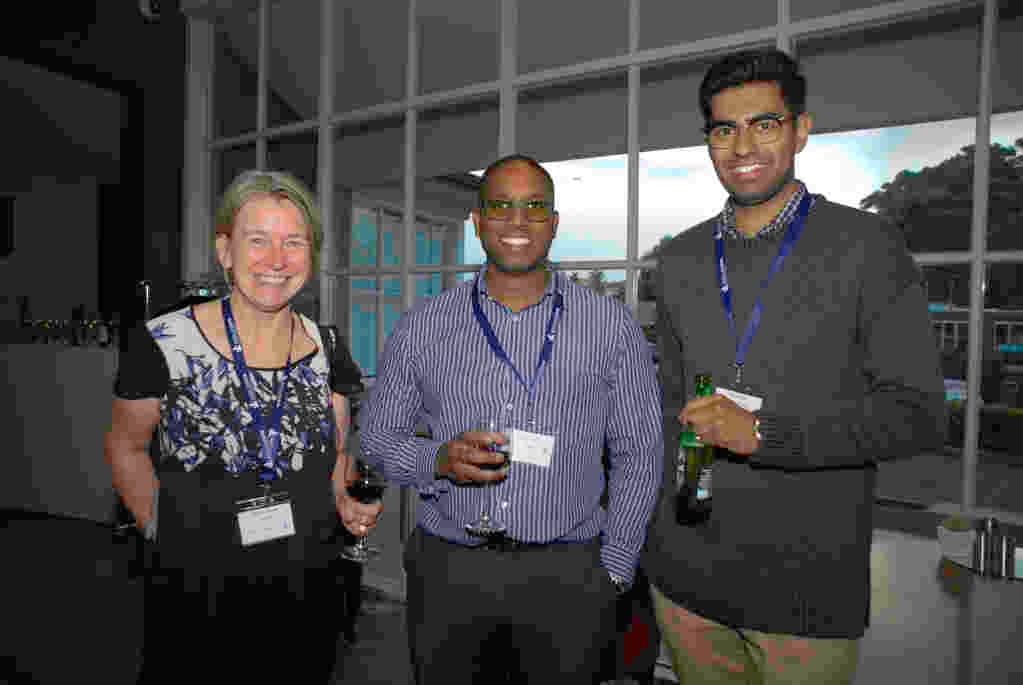
On a very stormy evening in April, Auckland Eye held its first Insight seminar of the year over dinner at Auckland’s Orakei Bay function centre.
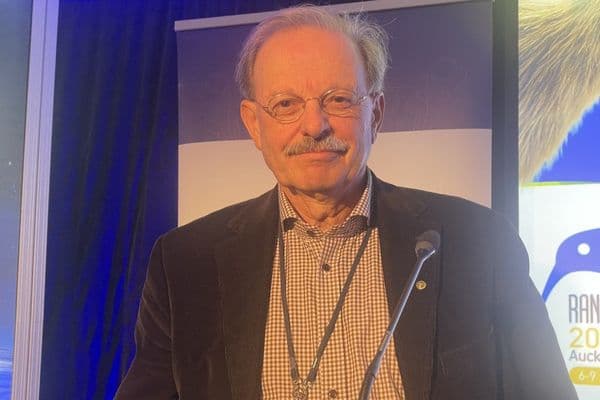
MC for the evening was Dr Dean Corbett who welcomed the strong turnout of attendees, kept the evening upbeat and moving, and introduced the evening’s three speakers: Drs Stuart Carroll, Stephen Best and Archie McGeorge.
Dry eye developments
Dr Carroll kicked off the evening’s talks tackling recent developments in dry eye, including the main findings of the Tear Film & Ocular Surface Society’s second Dry Eye Workshop (TFOS DEWS II), which were released last year (see NZ Optics’ September 2017 issue). He encouraged attendees to download the report, which is “lengthy but readable” or, at least, the more manageable executive summary.
As well as defining more clearly what dry eye is and what it isn’t, the report also provides some helpful recommendations for diagnosing and managing dry eye, he said. A useful tool for those wishing to offer more comprehensive service, is a free app from Allergan, the Dry Eye OSDI Questionnaire, which calculates a patient’s Ocular Surface Disease Index (OSDI) score, assessing the severity of their dry eye, said Dr Carroll. To diagnose dry eye, DEWS II recommends measuring tear osmolarity, tear film break up time, and assessing the ocular surface, the eyelids and meibomian glands. Meibography, the imaging of the meibomian glands, is particularly useful for assessing evaporative dry eye and can be performed using lid transillumination, the Oculus Keratograph and/or Tearscience’s LipiScan and LipiView. The latter being a “really good tool” to actually show patients the cause of their dry eye problems, he added.