In the battle against increasing resistance to antimicrobial drugs, Sydney’s Bacterial Ocular Surveillance System (BOSS) is an epidemiological study designed to help refine topical treatment regimens.
Spurred on by the World Health Organisation’s (WHO’s) recommendation for more antimicrobial resistance surveillance programmes, BOSS was established in Sydney in 2016 by Professor Stephanie Watson, from the Corneal Research Group at the University of Sydney Save Sight Institute, and Professor Monica Lahra from NSW Health Pathology.
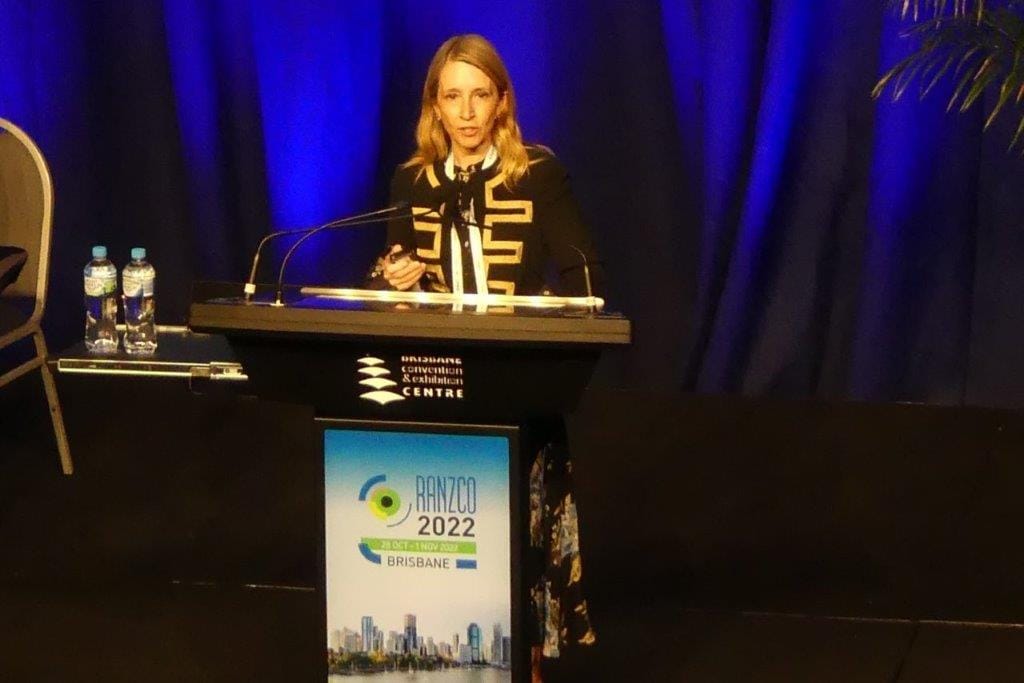
Microbial keratitis is often incurable, in part due to rising levels of resistance to antimicrobials, said Prof Watson during her presentation about the latest findings from BOSS at RANZCO 2022. Since the disease causes amblyopia in children and 1 in 10 of the elderly lose an eye, petitions have been made to WHO to grant microbial keratitis ‘neglected tropical disease’ status. If successful, this would afford access to more resources to reduce vision loss from the disease, said Prof Watson.
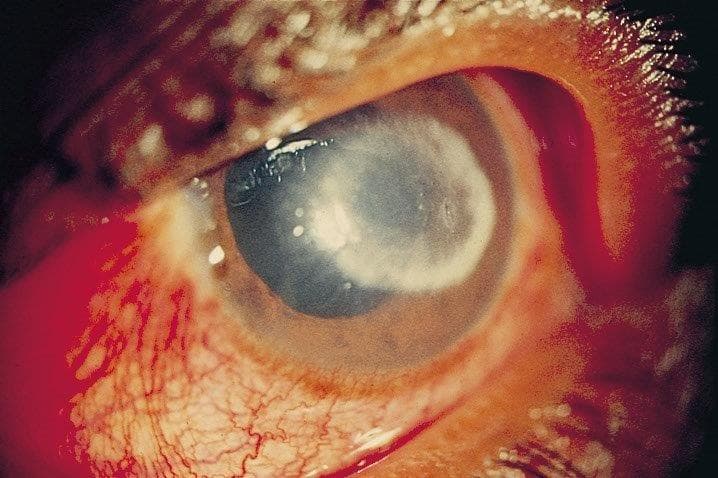
In a pre-BOSS study in 2012, Prof Watson’s team found 232 genera associated with microbial keratitis. Repeating the study in 2019, the team identified a further 456 pathogens, with fungi being the most prevalent group. Despite this, Prof Watson said bacteria are the leading cause of microbial keratitis in Australia. The later study showed bacterial resistance to cefalotin in Sydney had also increased since 2012, as had methicillin-resistant Staphylococcus aureus (MRSA) resistance to ciprofloxacin and gentamicin. Of the different combination therapies tested, chloramphenicol plus antipseudomonal ciprofloxacin/ofloxacin was the most effective, with an overall susceptibility of 98.7%.