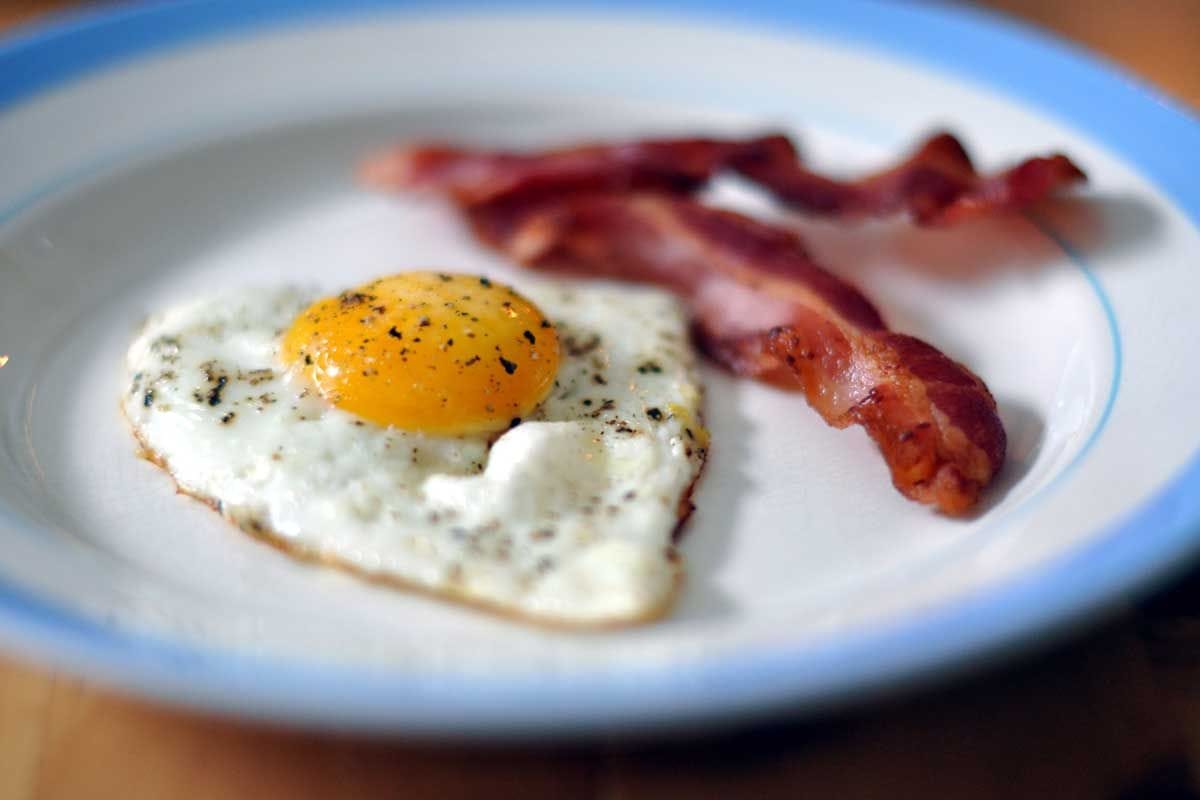
Switching mice destined to develop glaucoma to a low carbohydrate, high fat diet protects the cells of the retina and their connections to the brain from degeneration, according to research published in the Journal of Neuroscience. The study adds to others that have found this type of diet to have neuroprotective effects in conditions such as Alzheimer's disease, Parkinson's disease, and amyotrophic lateral sclerosis (ALS).
Glaucoma is a progressive disease in which damage to the cells that transmit visual information to the brain leads to vision loss and, in some cases, blindness. Higher rates of glaucoma in people with diabetes suggests a potential connection between this eye disease and metabolic stress.
Researcher Denise Inman and colleagues found that feeding mice genetically modified to develop glaucoma a ketogenic diet composed of nearly 90% fat for two months protected retinal cells from degeneration by increasing energy availability. Although further research into this intervention is needed, these findings suggest that a ketogenic diet may help to maintain vision in patients with glaucoma.
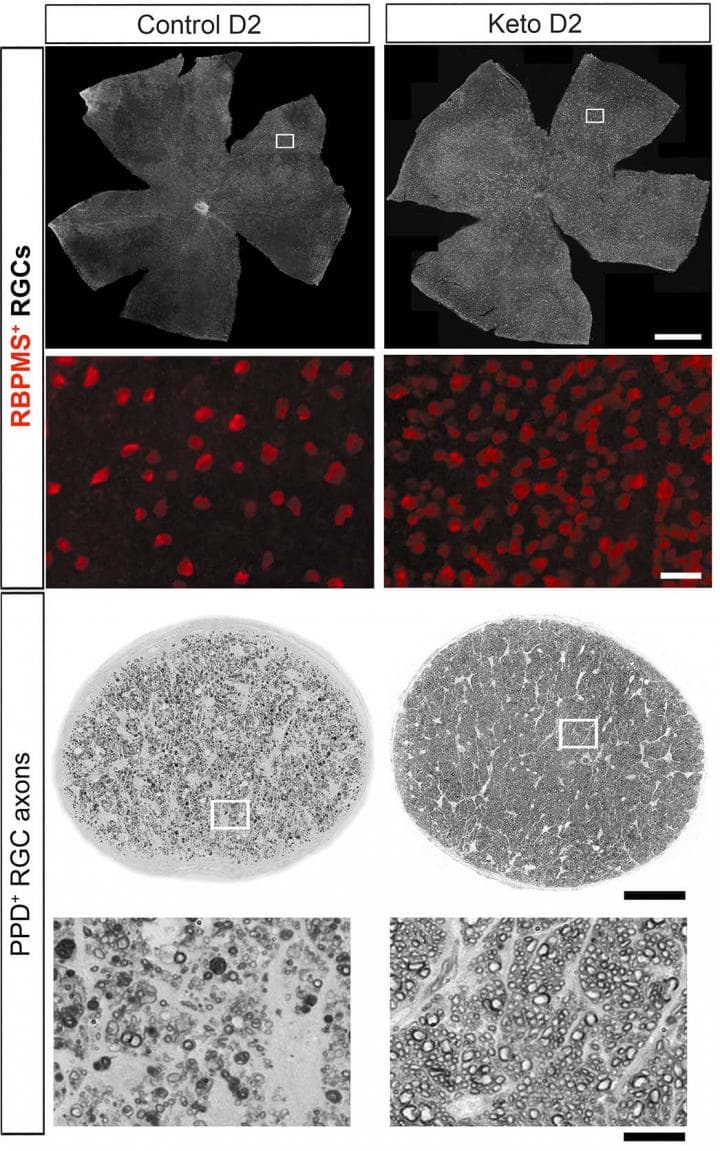
A ketogenic diet preserves structure of retinal ganglion cells and their connections to the brain.