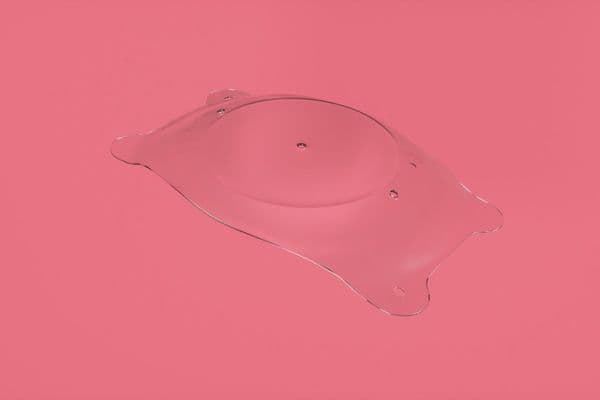
Intraocular cataract lens replacement may be associated with circadian rhythm, cognitive function and sleep improvement in older adults, researchers say.
Scientists from the University of Basel in Switzerland conducted a cross-sectional study of 13 patients with previous cataract and IOL replacement and 16 healthy controls. They found intraocular cataract lens replacement significantly increased melatonin sensitivity to light by approximately 45%. Ultraviolet lenses improved cognitive function by approximately 70% and sleep function by approximately 50% compared with blue-blocking lenses.
These empirical findings, they said, suggested optimising the spectral lens transmission in patients with cataract may be associated with better circadian, cognitive, and sleep function.
The study participants had no medication or medical and sleep comorbidities. They were exposed to three and a half hours of prior light control (dim-dark adaptation), followed by two hours of evening blue-enriched (6500 K) or non–blue-enriched light exposure (3000 K and 2500 K), 30 minutes in dim post–light exposure, eight hours of sleep opportunity, and two hours of morning dim light following sleep.
The scientists monitored salivary melatonin, cognitive tests, sleep structure and electroencephalographic activity to test the association of IOLs with markers of circadian rhythmicity, cognitive performance and sleep regulation, respectively. The findings should be regarded as preliminary, they cautioned, because of the small size of the study.