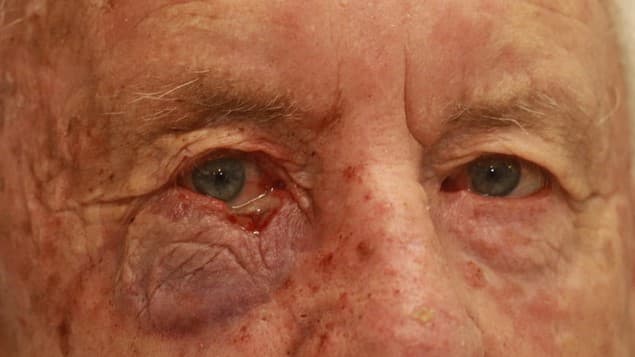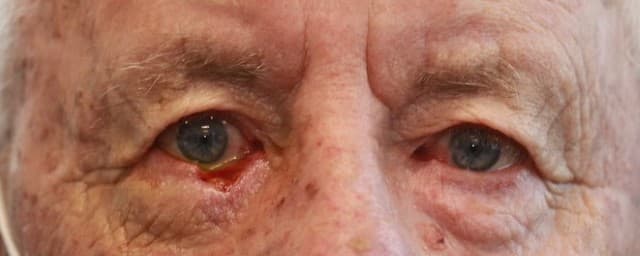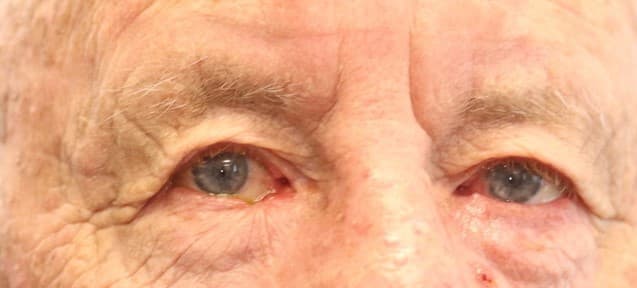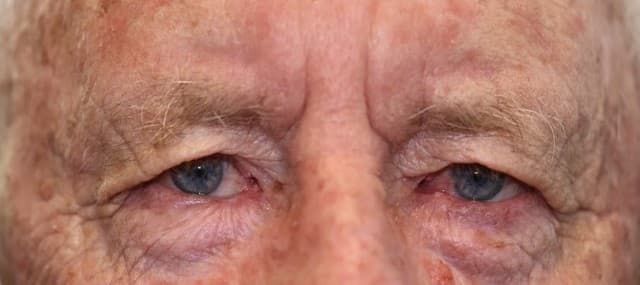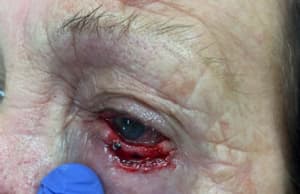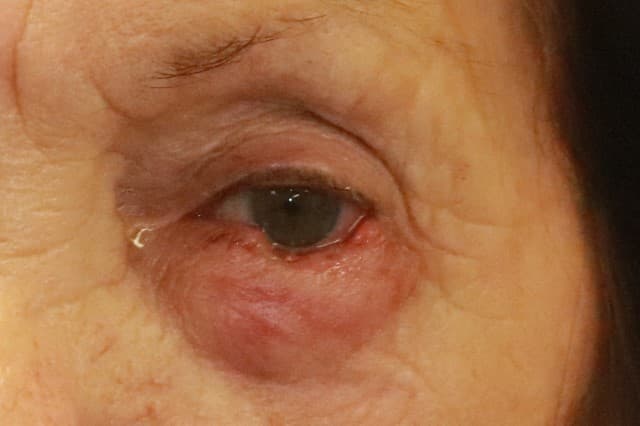
Non-melanoma skin cancers (NMSCs) are the commonest cancers in Australia and New Zealand. In 2006, the age-standardised incidence of NMSCs was 406 per 100,000 population in New Zealand1. Treatment of NMSCs represents a significant cost to Australasian healthcare systems1,2 and their incidence is rising. The two commonest NMSCs are basal cell carcinomas (BCCs) and squamous cell carcinomas (SCCs). Between 5% and 10% of NMSCs occur in the periocular region, accounting for more than 90% of all ophthalmic tumours3. The lower lid is the commonest location for these lesions.
The first-line treatment for NMSCs is surgical excision. Commonly, 2-4mm of normal-appearing tissue around the tumour is removed. Following excision, the specimen undergoes histopathological analysis to confirm the type of cancer and whether all the tumour cells have been removed.
To preserve visual function, minimising excision of eyelid tissues is crucial. Surgical excision with histological margin control is used to reduce the removal of uninvolved surrounding tissue and increase the rate of tumour clearance. Depending on the available local expertise, various techniques of margin control are employed. These include histological frozen section, rapid paraffin section analysis and Mohs micrographic surgery (MMS). For primary BCCs and recurrent BCCs, MMS has the highest five-year cure rates of 99% and 96%, respectively4.