A study comparing the benefits of slowing myopia progression by one diopter with the known treatment risks has found that the advantages of treatment outweigh the threats to vision.
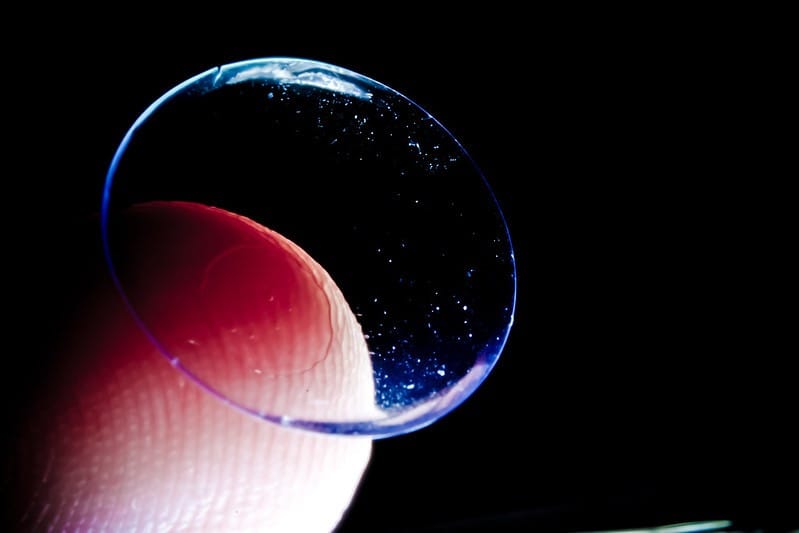
Focusing on lenswear for myopia control, researchers led by Professor Mark Bullimore, University of Houston College of Optometry, US, said that, “Assuming an incidence of microbial keratitis between 1 and 25 per 10,000 patient-years and that 15% of cases result in vision loss, between 38 and 945 patients need to be exposed to five years of contact-lens wear to produce five years of vision loss.”
Conversely, each additional diopter of myopia, said researchers, is associated with an increase in the risk of myopic maculopathy (57%), open-angle glaucoma (20%), posterior subcapsular cataract (21%), and retinal detachment (30%). The predicted mean years of visual impairment ranges from 4.42 in a -3D myope to 9.56 in a -8D myope, and a one diopter reduction would lower these by 0.74 and 1.22, respectively.
The study also took into account topical atropine treatment, from which, researchers said, the risk of vision loss, particularly at lower concentrations, would seem to be very low. They noted, however, that “potential concerns exist because of premature presbyopia induced by prolonged partial cycloplegia, but we are only aware of anecdotal reports. A seven-year review of atropine in Taiwan, where atropine has been used for several decades, did not include any data on side effects. This is clearly an area where further data are required.”
Additional benefits of myopia control highlighted in the paper include the fact that it gives better uncorrected and corrected visual acuity, and patients with lower myopia make better candidates for refractive surgery (including LASIK).