Not long ago, award-winning Libyan-American journalist Noor Tagouri shared her family’s dry-eye disease (DED) remedy of onion vapour and honey. Onion enzymes and sulfenic acid combine to produce propanethial S-oxide, which is detected by corneal nerves and ultimately leads to aqueous secretion from the lacrimal glands; honey, specifically manuka honey, has antibiotic and anti-inflammatory effects that can improve meibomian gland dysfunction. So her age-old practice turned out to have some scientific basis, even though it took decades to be able to prove it clinically. This got me thinking about other natural remedies and holistic treatments (NRHTs) handed down through generations to treat ocular presentations.
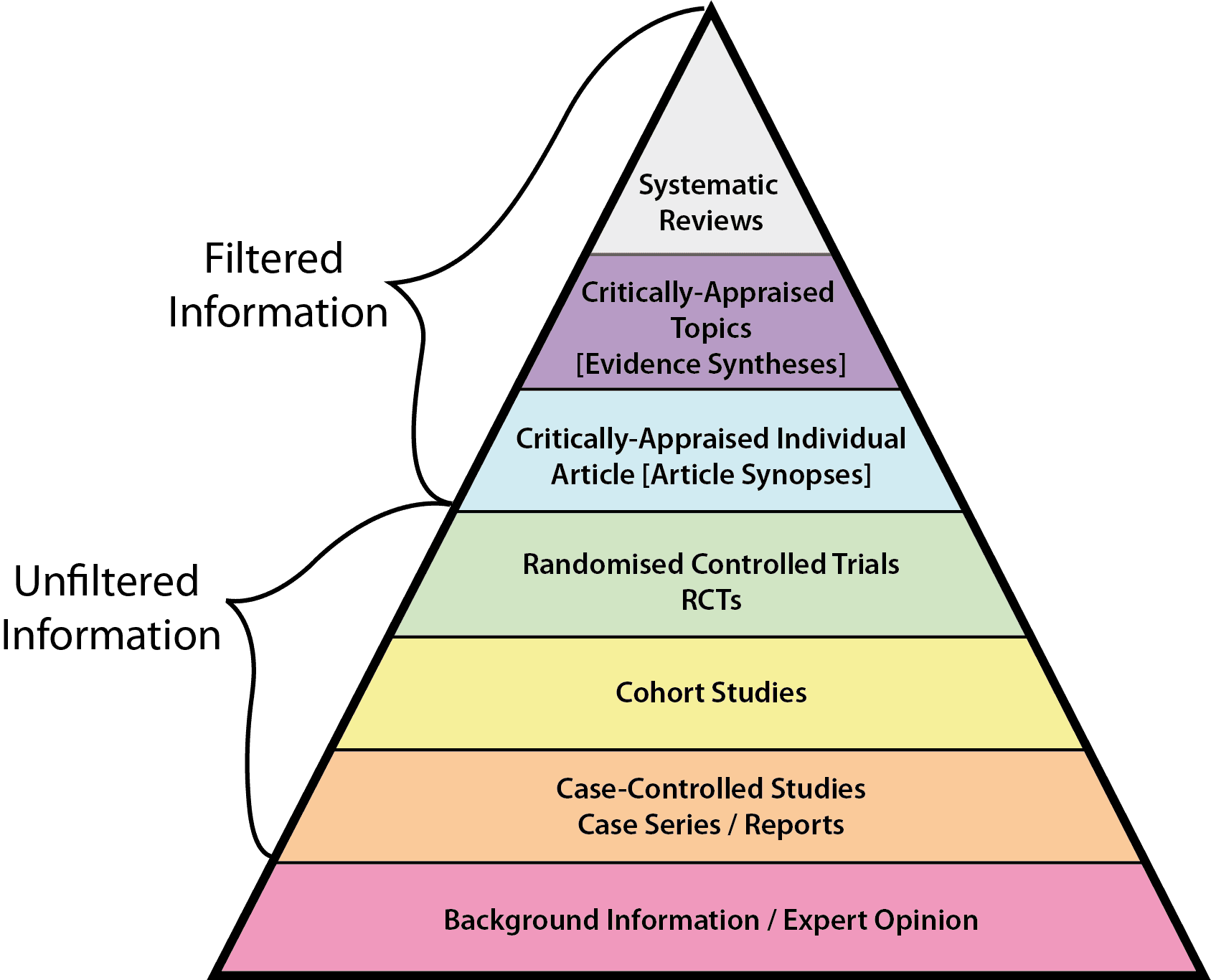
It's difficult applying an evidence-based medicine approach to NRHTs, which are often multicomponent or work on multiple targets in the body. Additionally, there are issues with acceptability, cost, time and the number of patients required to reach statistical significance/generalisable outcomes. This could be behind some NRHTs often coming in low on the evidence-based medicine pyramid (Fig 1).