High vitamin C, E bad for DED?
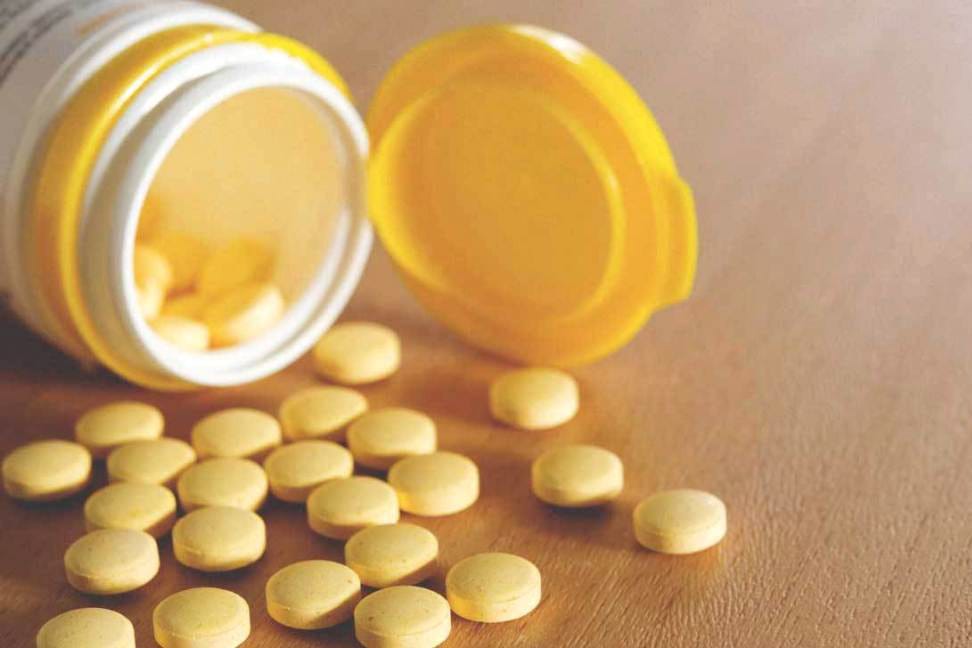
Researchers at Oslo Universitetssykehus, Norway, found no evidence supporting dietary vitamin intake alleviates dry-eye disease (DED), discovering instead that higher intakes of vitamins C and E may actually be associated with a higher risk of developing DED.
The study’s 51,551 participants (mean age, 51.2 years; 60% women) were given a DED questionnaire, from which researchers assessed daily intakes of vitamins A, B2, B6, B12, C, and E from food and drinks (excluding supplements). The team noted DED wasn’t just associated with a high intake of vitamins C and E; participants who merely satisfied the recommended intake of vitamins C and E also had increased odds (14% and 10%, respectively) of developing the disease. “The causes for the direction of this association should be explored further as it went against our hypothesis and previous findings,” they said.
Non-incisional glaucoma surgery
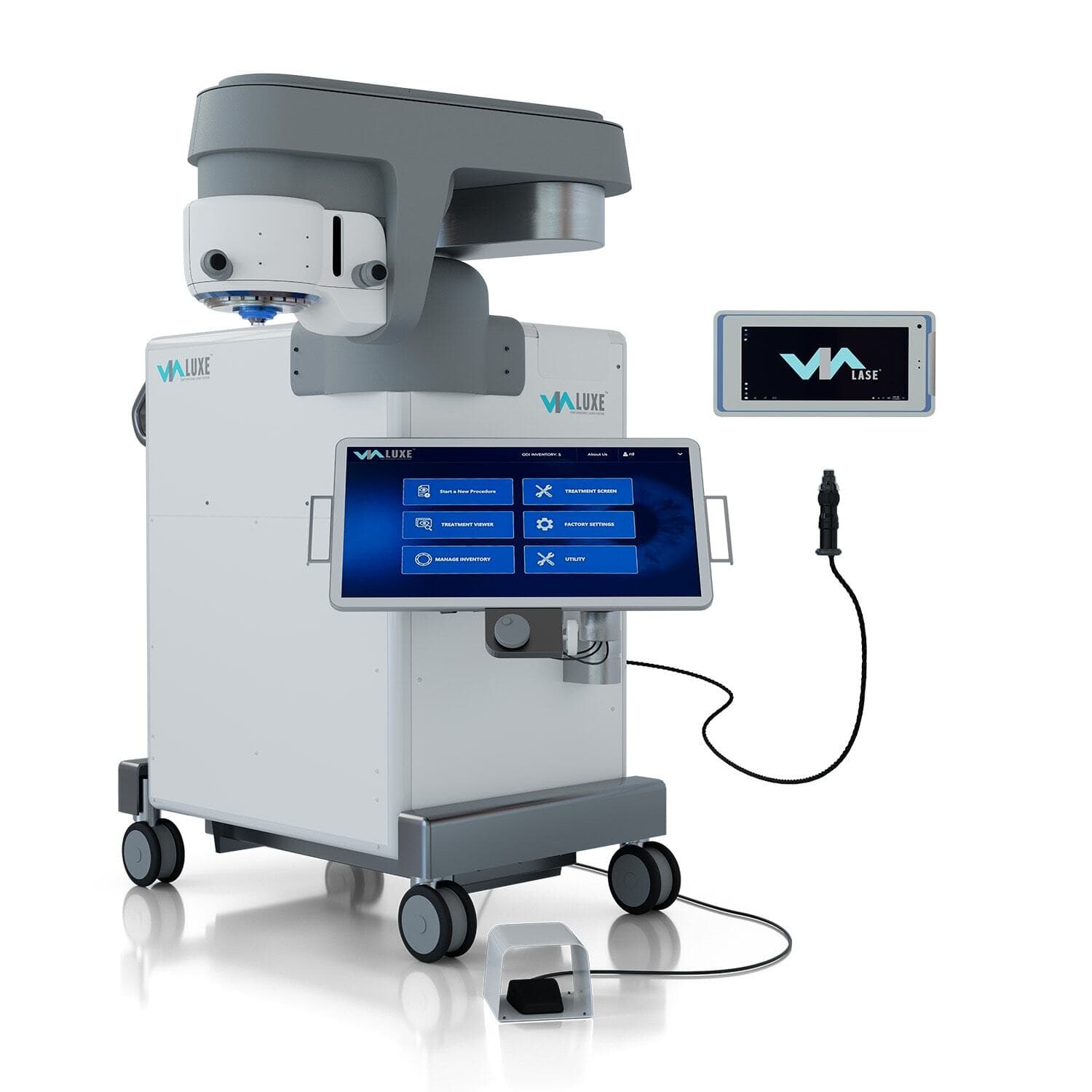
US company ViaLase presented trial updates on its non-invasive femtosecond laser image-guided high-precision trabeculotomy (FLIGHT) device, ViaLuxe.
Evaluating the system on cadavers, researchers said the outer wall of Schlemm’s canal remained intact and the temperature rise during the FLIGHT procedure was a maximum of 3.1°C, providing strong evidence of a dearth of collateral damage, while 24-month safety data from its first-in-human study on 11 patients (17 eyes) with open-angle glaucoma was encouraging, said the company.