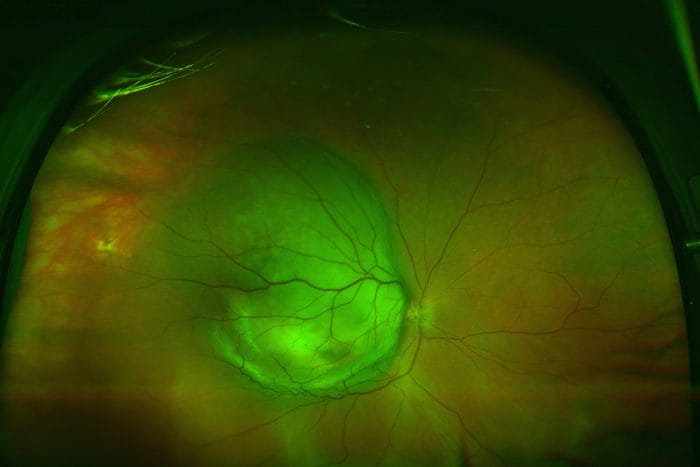
A new study from Washington University School of Medicine in St. Louis shows that a natural plant compound shuts down uveal melanoma cell growth in human tumour cells grown in the lab.
Uveal, or ocular, melanoma arises from the layer of pigmented cells of the eye that includes the iris. Fatal in about half of the patients who develop it, the cancer represents about 3 to 5 percent of all melanoma cases. Unlike skin melanoma, uveal melanoma is not strongly linked to exposure to ultraviolet light, although, the researchers note, individuals with blue eyes and fair skin are at highest risk of developing the disease.
“In about half of patients, this tumour metastasises to other organs and grows aggressively,” said senior author Dr Kendall Blumer, a professor of cell biology and physiology. “Skin melanoma now has a number of relatively new targeted therapies, including immune therapies, that prolong survival, even after tumours have spread. Unfortunately, these treatments don’t seem to do much against uveal melanoma, so there is a need for new therapeutics in this specific type of tumour.”
Scientists have been studying the signaling molecules that are overactive in uveal melanoma for a decade but have had little clinical success in shutting them down. The overactive protein commonly found in this specific type of melanoma is called G alpha q, and it is part of a class of molecules called G proteins. When such proteins develop genetic errors that permanently switch them on, cancer can result.
In its active state, G alpha q is bound to another molecule that keeps it turned on and the signaling cascade flowing all the time. In the search for therapies in uveal melanoma, scientists have tried many different strategies to shut down individual pieces of the cascade activated by G alpha q. So far, no approach has succeeded in helping patients with the disease.