I had cataracts – nothing else. No dry eye, no light sensitivity, no ocular surface discomfort. I had never struggled with irritated lids, gritty eyes or blurred vision beyond what could be attributed to lens opacity. So I underwent same-day immediate sequential bilateral cataract surgery (ISBCS) expecting clearer sight and a straightforward recovery. Instead, I emerged with an ocular surface condition that has reshaped daily life for more than two years.
The trigger, as I now understand it, was exposure to benzalkonium chloride (BAK), a preservative used widely in ophthalmic medications in New Zealand. While reactions such as mine are uncommon, BAK-associated ocular surface toxicity and dry eye disease (DED) are well recognised in the literature, particularly among susceptible individuals.
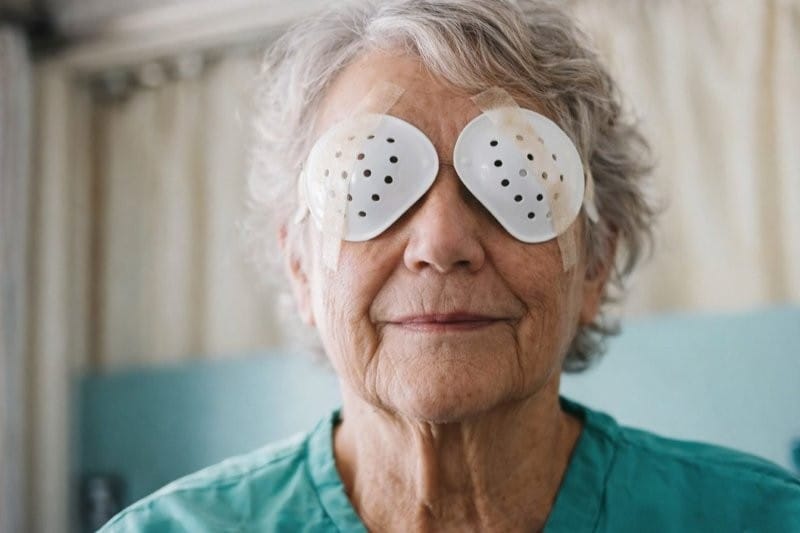
Immediately prior to entering theatre, four BAK-preserved drops were administered to each eye and the surgery proceeded uneventfully until near the end of the second eye. As the anaesthetic wore off in my first eye, a mild stinging sensation developed. Within minutes, the pain became excruciating. It felt as though acid had been poured onto the surface of my eye: intense burning, rawness and a searing intolerance to light, even through closed lids and protective covers. My eyes streamed with reflex watering; additional anaesthetic provided immediate but short-lived relief. Soon after, the second eye developed identical symptoms. I was given BAK-preserved drops to use at home.
Although the most extreme pain settled after around 48 hours, rawness of the ocular surface, aching, heaviness and marked light sensitivity persisted (fluctuating from initially debilitating to now mild). Incidentally, my surgeon told me that pain medication wasn’t useful for eye pain. So, for many weeks, I did not take pain relief. I eventually used two Panadol every four hours, which helped greatly.
Postoperatively, I was also prescribed prednisolone acetate for two weeks initially and then extended another six weeks due to ongoing inner eye inflammation. Each application triggered two to three hours of greater surface inflammation, aching and photophobia before lessening in time for the next dose. I was reassured this was normal and, compared with the initial acid-like pain, the symptoms felt survivable and I was grateful the worst had passed.