Popular press trumpeted the first implant of a “bionic eye” for patients with dry age-related macular degeneration when doctors performed the first implant and activation of the Argus II Retinal Prosthesis system earlier this year.
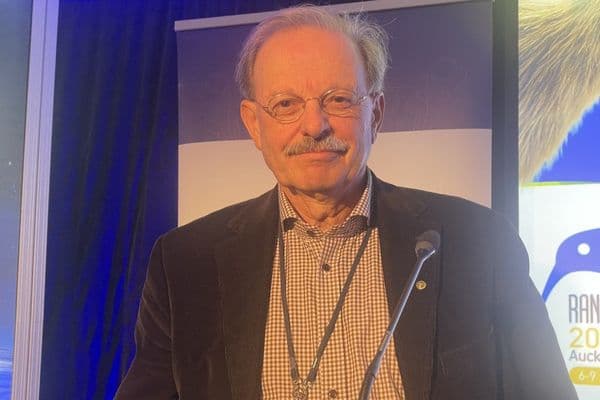
The bionic eye part is debatable, but the operation--performed at the Manchester Royal Eye Hospital in June by Dr Paulo Stanga--was a step forward for the Argus II system, which was originally tested, and approved for restoring some vision in patients with retinitis pigmentosa (RP) in the US in 2013 and Europe in 2011.
The Argus II System has now been implanted in 150 patients in the US, Canada, France, Italy, Germany, the Netherlands, Saudi Arabia, Spain, Switzerland and the UK. The Manchester implant was part of a feasibility trial for evaluating Argus II for treating late-stage Dry AMD.
While Second Sight Inc.--the California based company behind the Argus II system--has not been the only company in the last 15 years to pursue retinal implant systems, it appears to have gone the furthest, at least as far as feasibility and clinical trials, and regulatory approval.
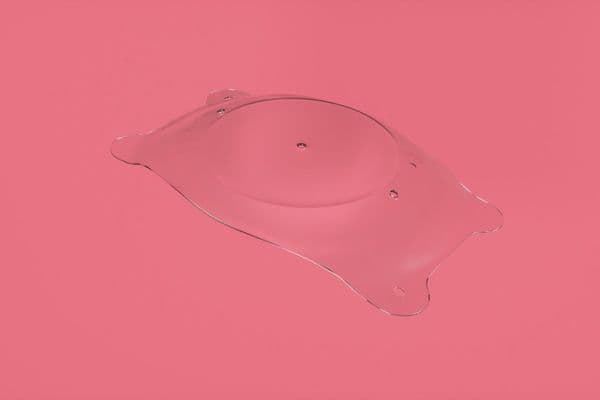
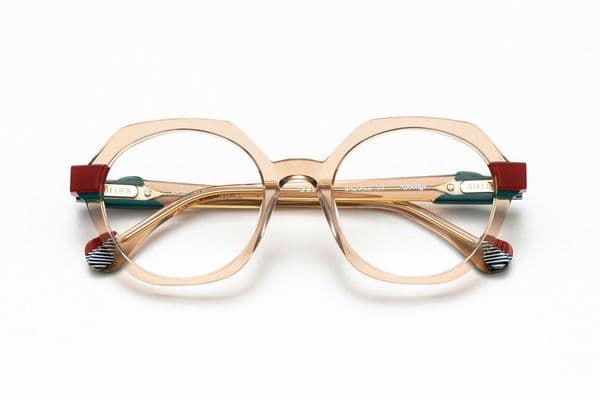
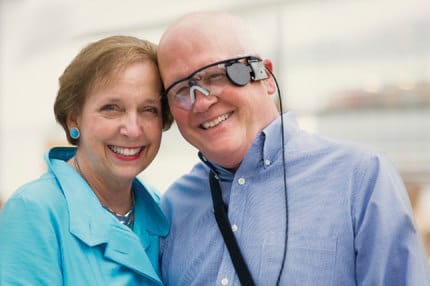
Argus II is comprised of a small electronic device implanted in and around the eye, a small video camera attached to a pair of glasses, and a video processing unit worn or carried by the patient. The video processing unit receives images captured by the camera, and turns them into signals transmitted to the implant wirelessly. The implant transmits the signals to the retina in electrical pulses, which are intended to bypass damaged photoreceptors by stimulating the retina’s remaining cells. The system creates the perception of patterns of light which patients can learn to interpret as visual patterns.