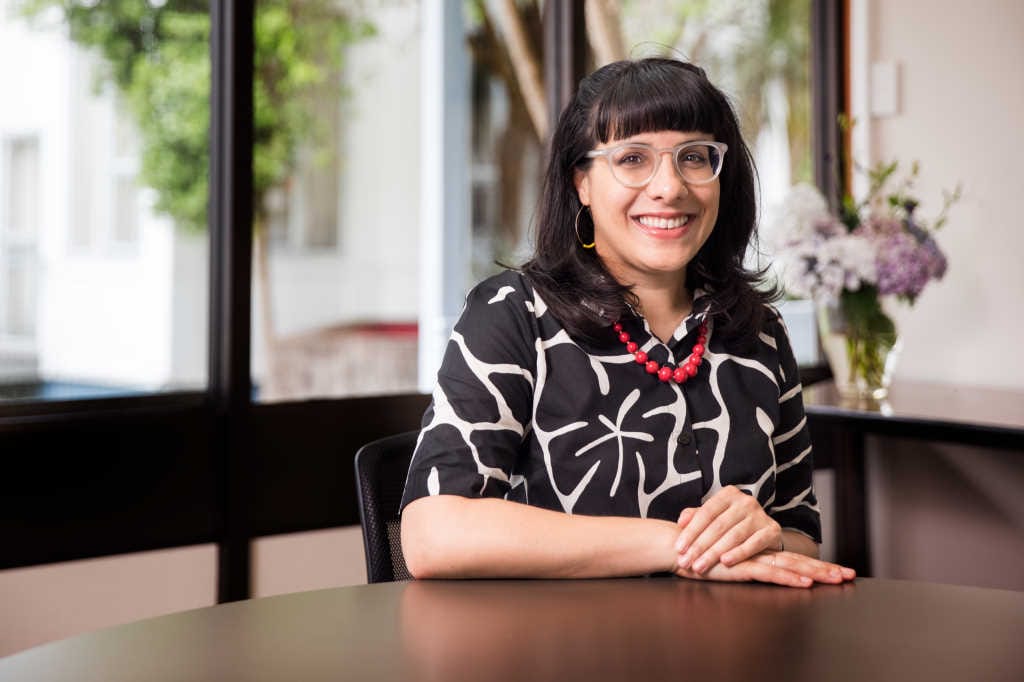
University of Auckland doctoral student Neera Jain is calling for medical schools to re-evaluate their expectations of people with disabilities and their image of the ‘ideal’ physician, in a bid to over-turn outdated views and break down barriers for disabled people in medicine.
In a public announcement, promoted by the University, Jain said having health professionals who are themselves disabled would also benefit patient care. “Patients can relate to a doctor who looks like them or has similar life experiences and hopefully that will shift peer perspectives about disability.”
Currently in the final stages of her PhD, which focuses on disabled US medical students, Jain has worked as an advocate for health science students with disabilities at Columbia University in New York and the University of California San Francisco (UCSF). She is also co-author of Assisting Students with Disabilities: Equal Access in Health Science and Professional Education, published in 2016.
“It’s clear they understand their position is precarious and they are excludable,” said Jain. “They feel they’re only there because they were given a chance and that could just as easily be taken away.”
In the US, around 4.6% of medical students disclose a disability, which can include physical impairments like quadriplegia, visual impairments, deafness and being hard of hearing, chronic health conditions, learning disabilities, mental health issues and conditions like ADHD and Asperger’s.
The majority of these students successfully graduate, said Jain, yet there is still a prevailing tendency to equate disability with inability. “Students worry about how to be seen as capable rather than needy, especially when the training is not designed to allow for an approach that would suit them better.”
Another potential stumbling block is the pace of medical training, which is very intense, requires long hours and is difficult to do more slowly. This creates problems for all students, but in particular, those with disabilities, she said. “A programme that allowed for part-time or more flexible hours and the ability to lengthen training would be beneficial.”