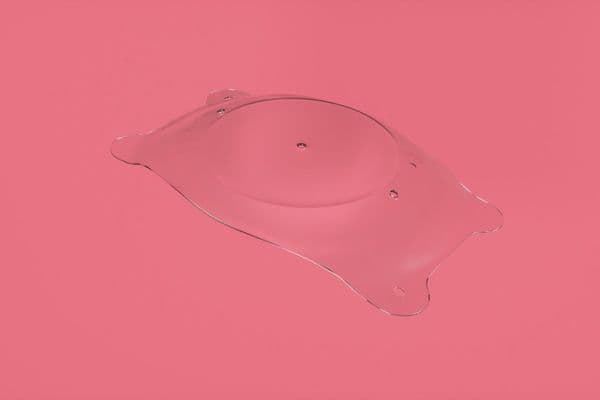
Singapore researchers have created a biopolymer which could act as a natural vitreous substitute to heal detached retinas.
The clear gelatinous substance (or biogel), known as EPS, fills the cavity between the lens and the retina creating pressure against the retina to help in positioning and reattachment. It is transparent at room temperature and has a similar viscosity and refractive index to the natural vitreous. Applying high pressure transforms it into a liquid-like state which leads to effortless and quick injection through small-bore needles, said the research team.
The gel may have advantages over existing substitutes, such as gases that can expand or silicone oil which has several limitations, the study authors noted. The gel also biodegrades within three months and is replaced by the body with a substance resembling the native vitreous, thus negating the need for surgical removal. The study found a significant overlap between the proteins present in native vitreous and the newly-formed vitreous, which suggested the injected gel scaffold promotes the formation of a vitreous-like body, said researchers.
The study reported that in a rabbit model, 7% EPC gel had no long-term toxic effects, did not cause cataracts, provoked only minimal levels of inflammation, remained optically clear and led to normal attachment of the retina. However, higher or lower concentrations of EPC resulted in some retina degeneration, severe inflammation and toxic effects.
Researchers said despite this, they are still hopeful it may be used in treating retinal detachment in humans after further research, and might serve as a long-term substitute for vitreous to heal detached retinas resulting from age, trauma or myopia.