Retinal imaging could help doctors diagnose and track how ‘long-Covid’ impacts people over time and provide insight into its causes, according to the authors of US study.
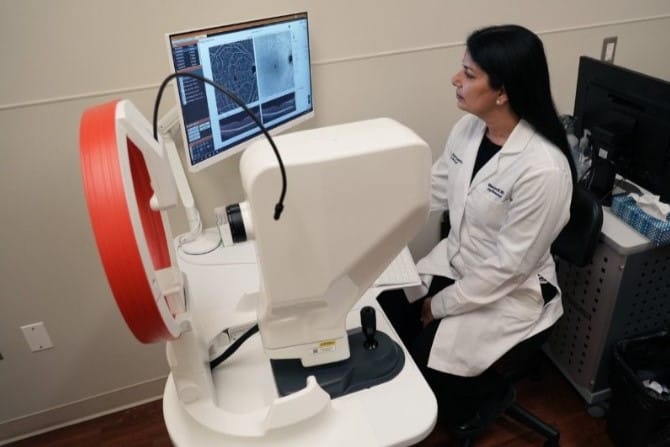
Researchers used advanced imaging techniques to examine the retinas of non-hospitalised long-Covid patients from the Northwestern Medicine Neuro Covid-19 Clinic in Chicago, Illinois. Compared to healthy individuals, patients with long-Covid experienced a significant reduction in both blood flow and density of blood vessels in the retina, they said. This decrease in circulation may be reflective of decreased blood circulation in the brain, which may lead to neurologic symptoms, they said.
This finding bridges gaps between ophthalmology, neurology and Covid-19, helping to better understand how inflammation affects different organs in the body, said senior author Professor Manjot Gill, Feinberg School of Medicine and ophthalmology lead of the Northwestern Medicine Comprehensive Covid-19 Center. “The change in blood vessels in the deep part of the retina supports the hypothesis that long-Covid affects similar blood vessels in other parts of the body, like the brain, which can potentially contribute to the symptoms of long-Covid such as memory loss, brain fog and fatigue.”